Serums & ampoules
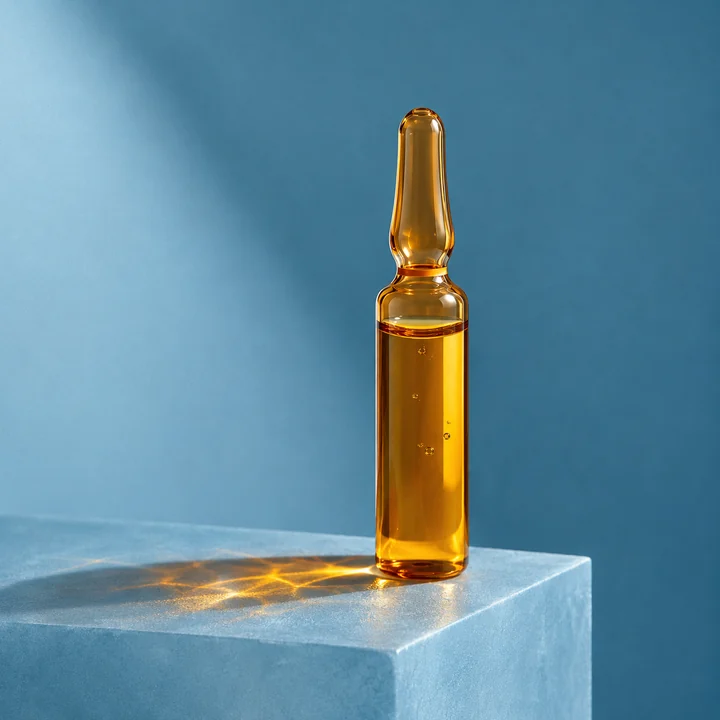
In fluid serums and ampoules, assess suspension and settling during storage.
PH-XPNS 009 · MANUFACTURER & SUPPLIER
70% and 99% sponge spicules
Freshwater sponge; animal-derived
The 70% grade has 100–200 μm spicules. The 99% grade is available in two lengths: 220–300 μm and over 300 μm. All three specifications have a spicule diameter of 14–16 μm.
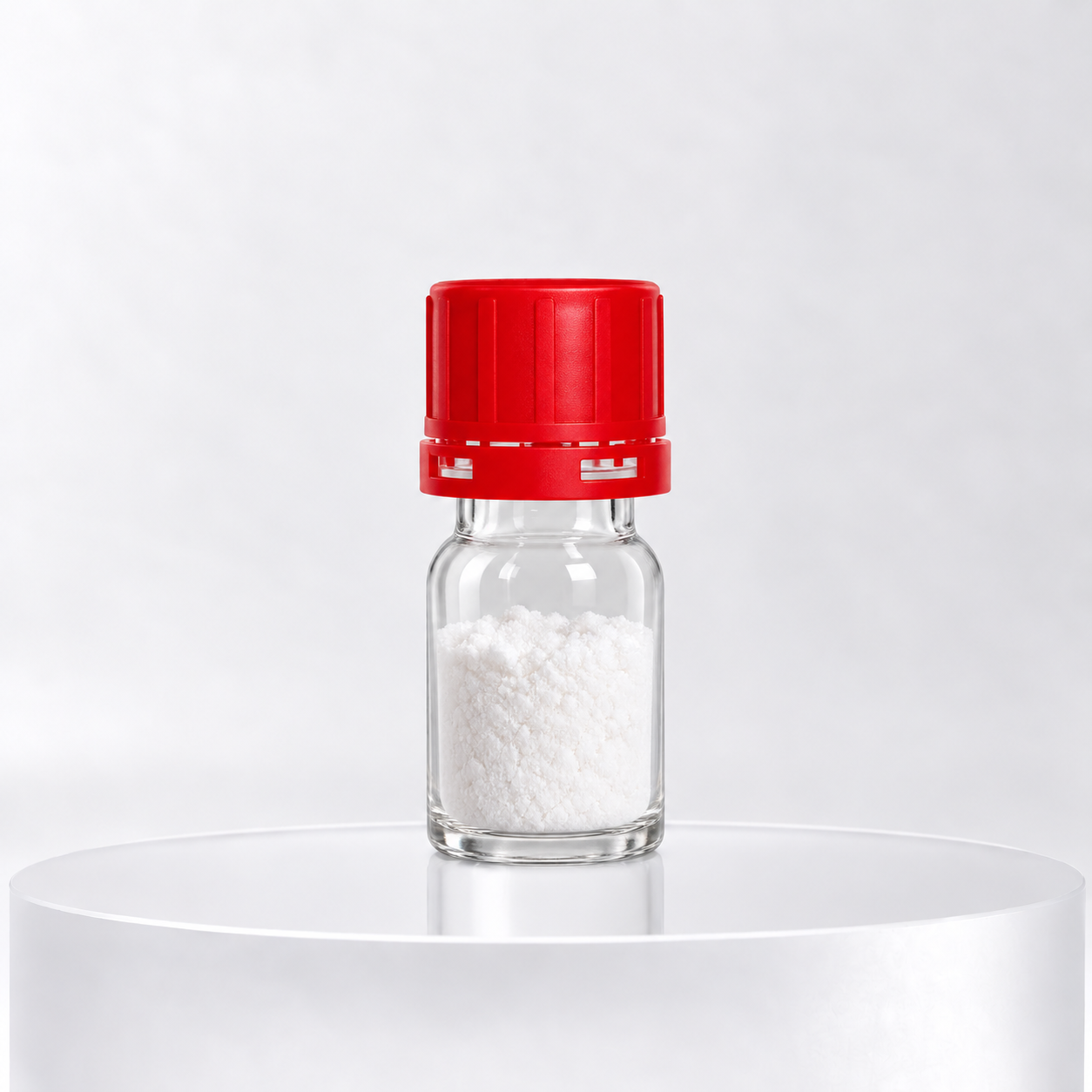
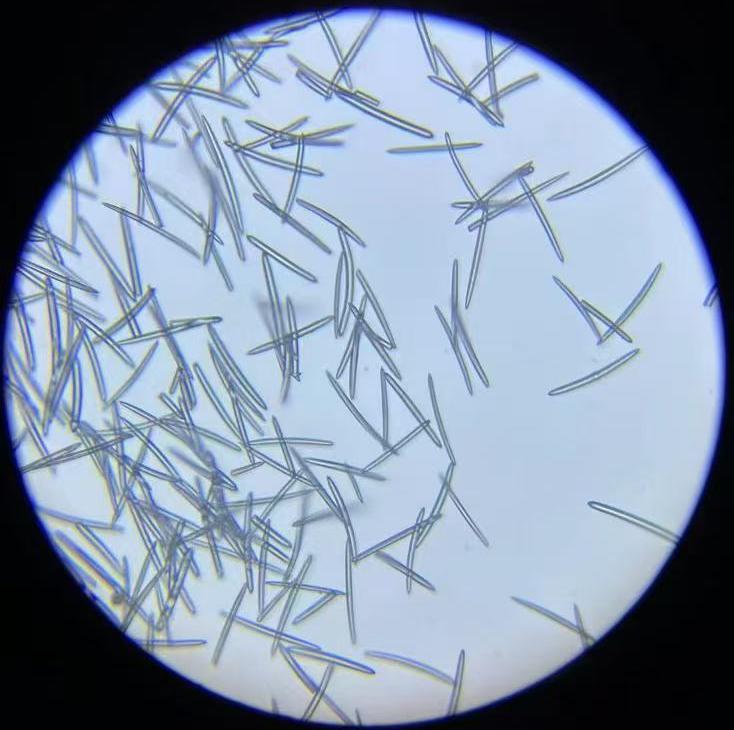
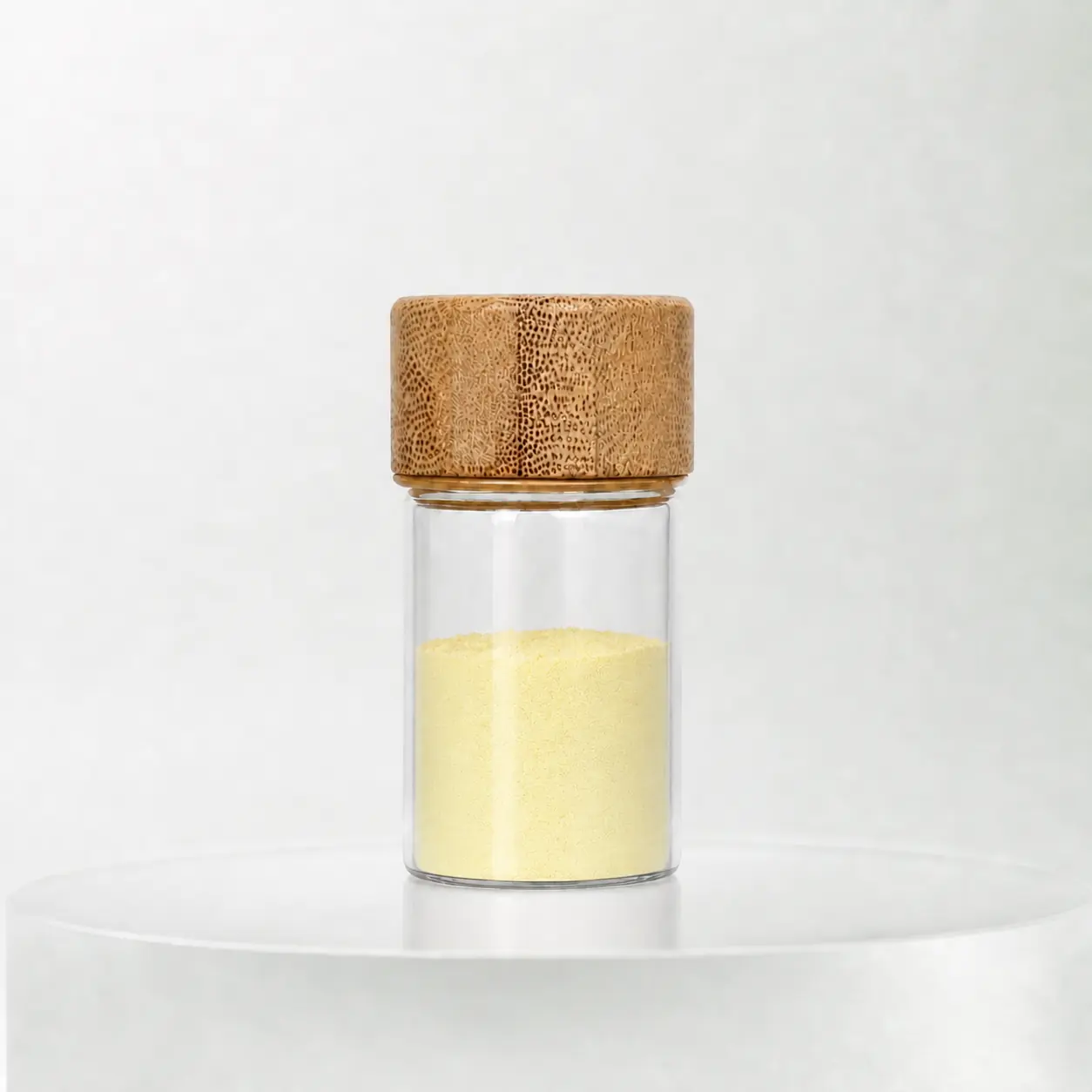
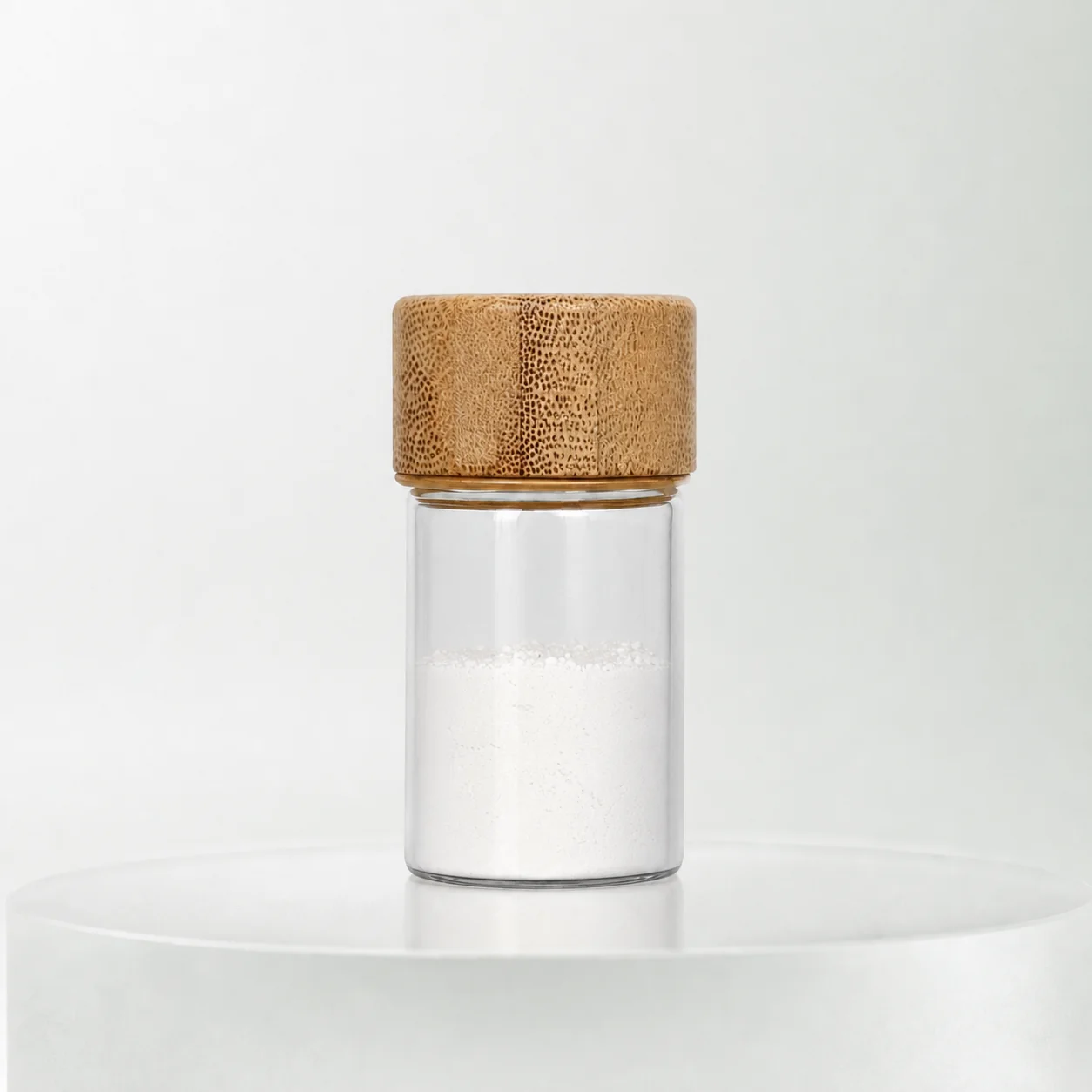
Percentages indicate needle-shaped spicule content. Diameter is 14–16 μm for all three specifications. The 70% powder is grey. The 99% · 220–300 μm reference powder is pure white.
The limits below apply to the 99% · 220–300 μm reference powder. Its reference batch COA reports 99.2% spicule content. The broken spicule rate for this specification is 5–10%. Request the matching specification and batch COA for the 70% · 100–200 μm and 99% · >300 μm options.
PH-XPNS 009 · 99% spicules · 220–300 μm reference powder
99% spicules · supplier-declared count>5,000,000 /g
The supplier declares more than 5,000,000 spicules per gram for the 99% grade, based on microscopic sampling supported by a gravimetric approach. Request the count declaration applicable to your selected length.
MANUFACTURING & SUPPLY
Quality checks follow the second crushing step and mixing.
Ethanol is added at filtration. Quality checks follow the second crushing step and mixing.
PINHONBIO® is a cosmetic ingredient manufacturer and supplier. Our business combines upstream production partnerships, refining and purification, quality control, technical documentation, samples and commercial-scale supply. Product-specific grades and analytical results are stated on this page.
Choose a spicule specification for the desired appearance and length, then assess performance in the complete cosmetic formula.
In fluid serums and ampoules, assess suspension and settling during storage.
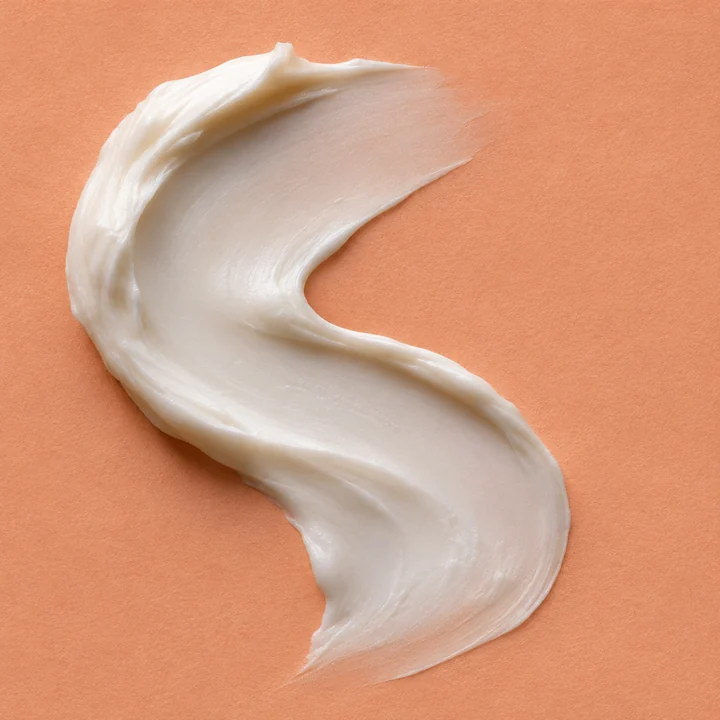
Check spicule distribution and skin feel in the finished emulsion.
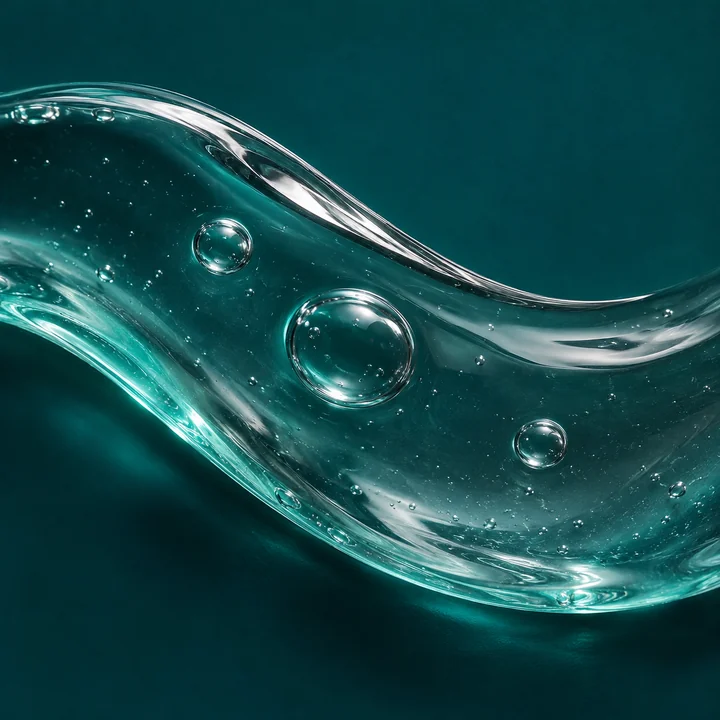
Test the gel network at the intended loading and check pump compatibility.
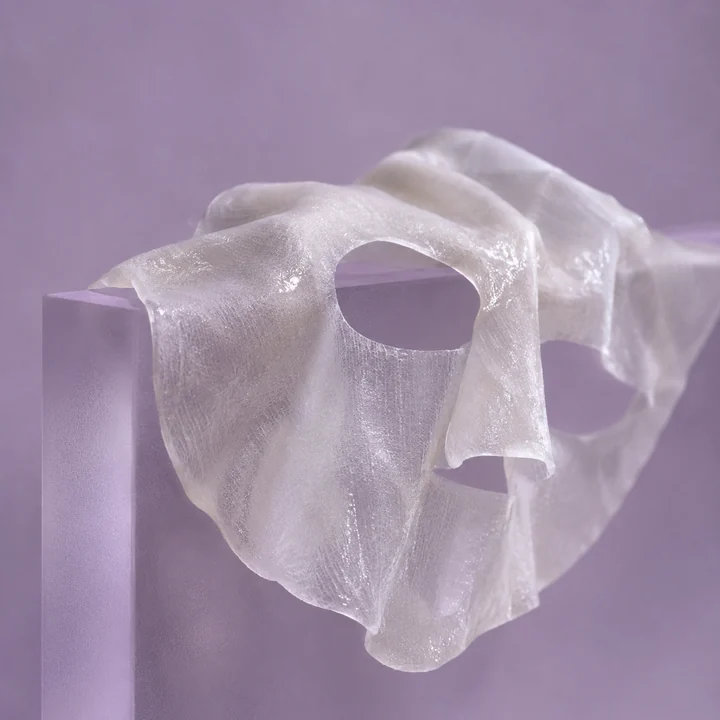
Evaluate particle uniformity, contact time and the intended removal method.
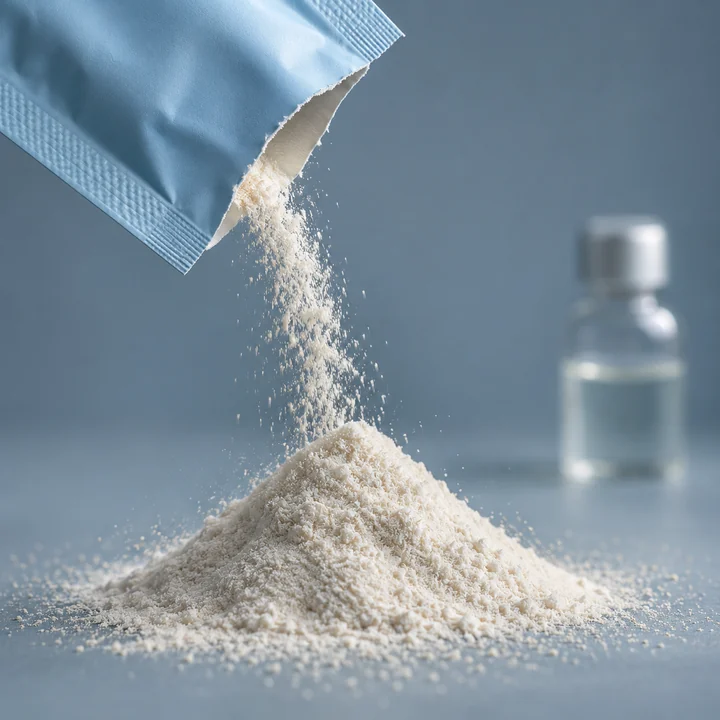
Check wetting and uniformity after combining the powder and base at the intended ratio.

Define the application protocol, then assess loading and skin feel in the finished formula.
For professional cosmetic formulation and manufacturing. This particulate material is intended for dispersion, rather than assumed water dissolution. Evaluate dispersion, particle integrity, compatibility and the safety of the complete formula. Avoid breathing dust and unnecessary skin or eye contact; follow the SDS.
Prepare the base first. Complete emulsification and other high-shear processing before adding the spicules.
Evaluate pre-wetting. A compatible humectant phase, such as glycerin or a formula-qualified glycol, can help wet the powder before batch incorporation.
Introduce the spicules gently. Add near the end of processing using slow paddle or low-shear mixing. Avoid subsequent rotor-stator homogenisation when retaining needle morphology is the objective.
Check distribution and suspension. Examine samples for agglomerates and spicule integrity, then assess settling during storage. Lightweight bases may need a suitable suspending gel network.
Use these principles as development starting points; qualify mixing conditions, loading and skin feel for the selected grade and finished base.
Formulation references: Tansathien et al. (2019)
Store tightly closed in a cool, dry, shaded place, protected from moisture and contamination. The 99% TDS lists a shelf life of 24 months under the stated conditions.
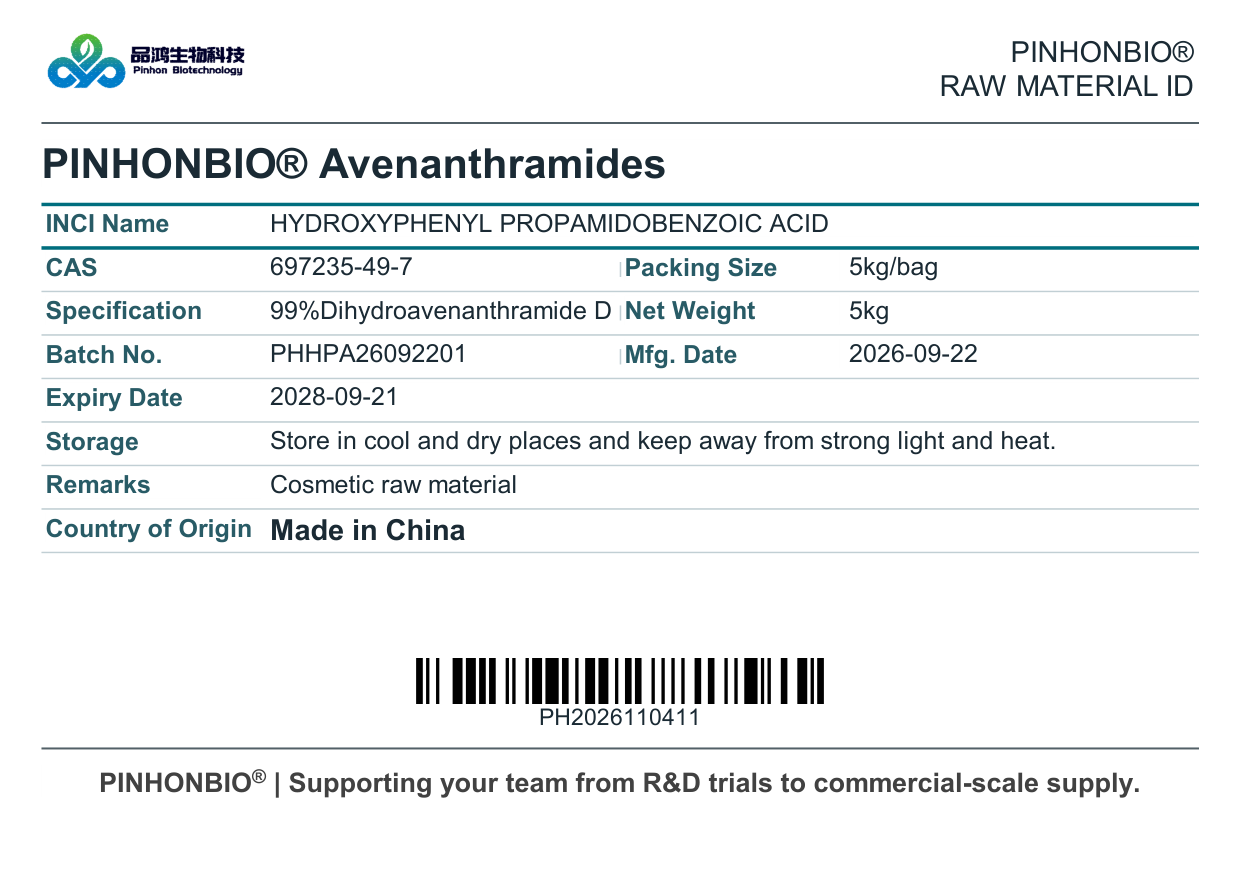
Choose a 1 kg, 5 kg, 10 kg or 25 kg pack. Bulk drum packs use two food-grade plastic inner liners. Packaging illustrations are shown for reference.
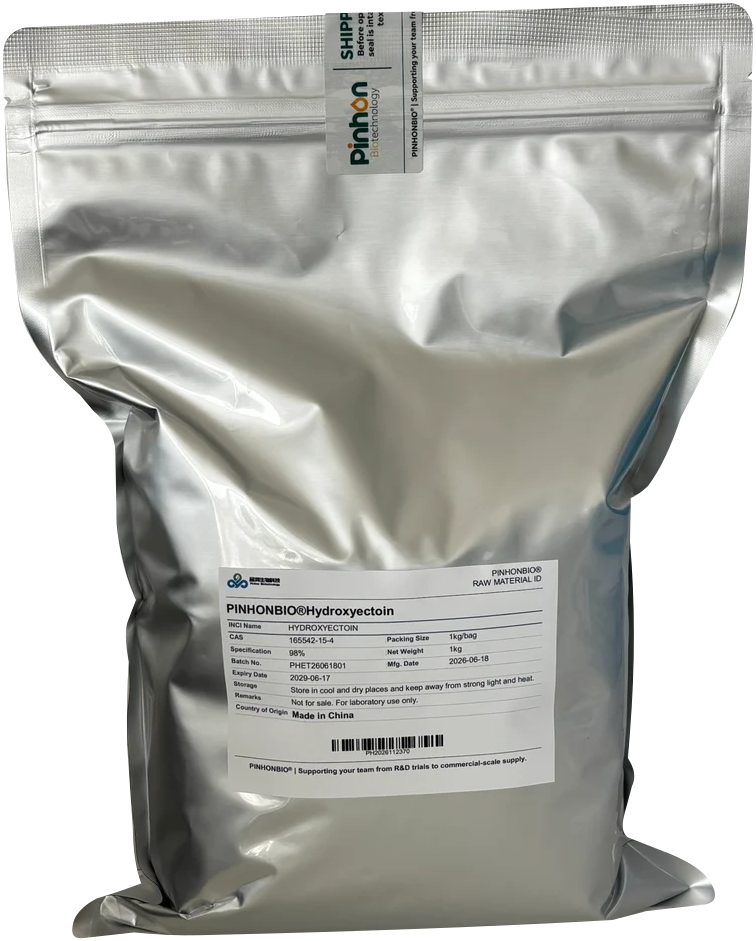 Pouch seal
Traceability code
Packaging illustration showing the sealed pouch and the traceability code on its label.


A tamper-evident seal spans the lid seam. Check the seal and product label on receipt.
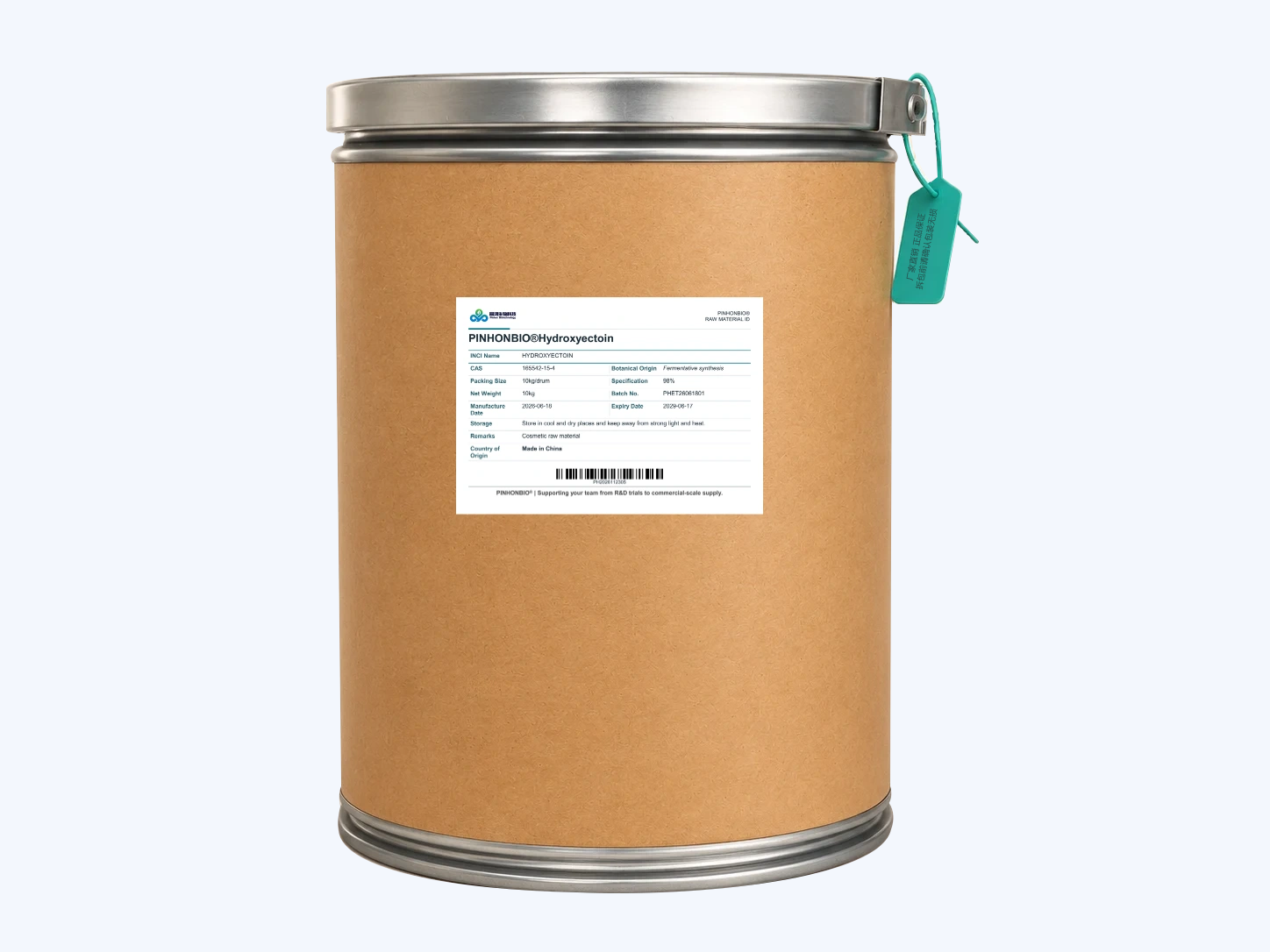 Tamper-evident authenticity sealBatch traceability code
A security tag secures the locking ring. The label carries the batch traceability code.
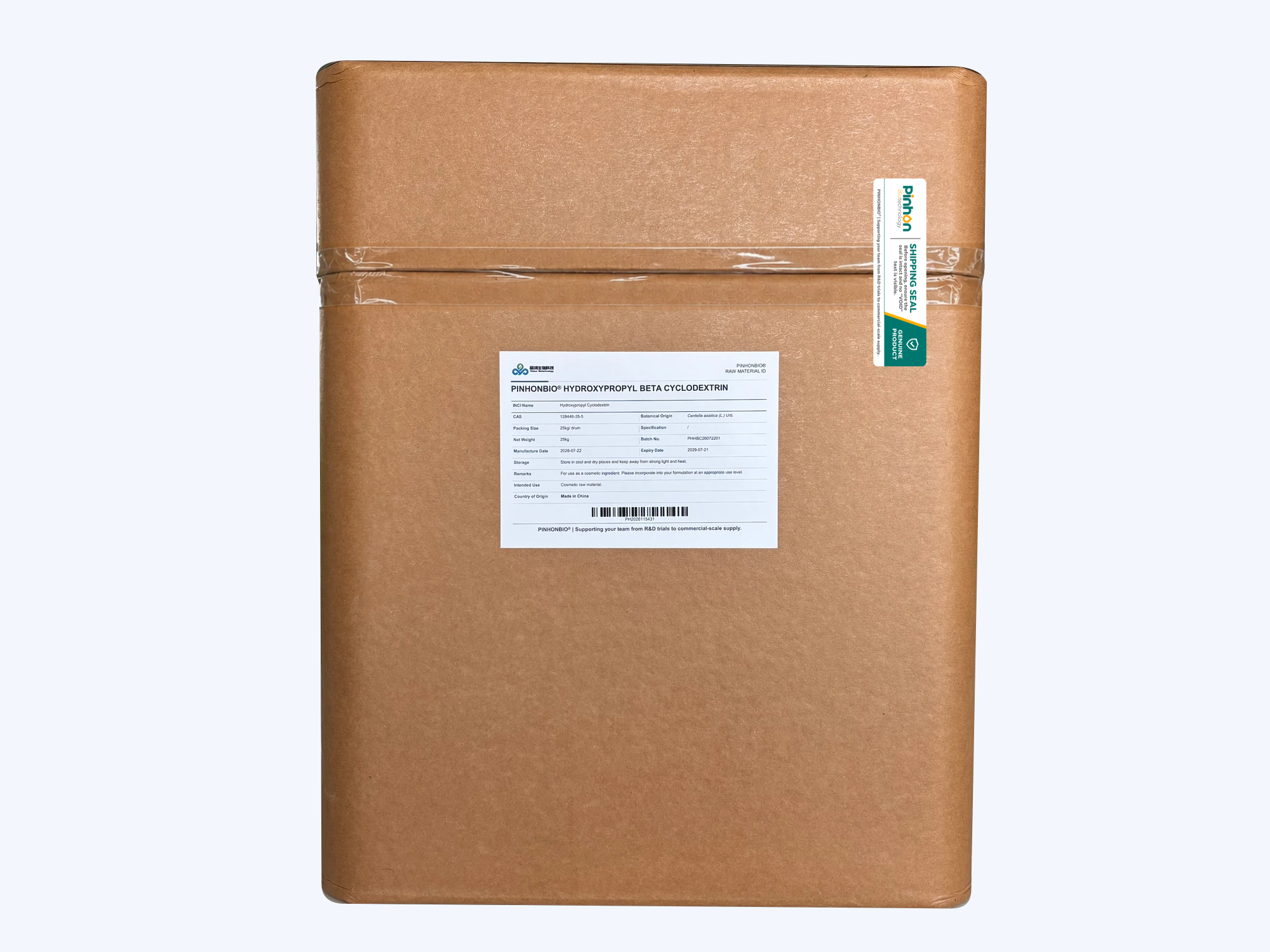 Tamper-evident authenticity sealBatch traceability code
Check the seal across the lid and the batch code on the label before opening the drum.
PINHONBIO’s powder-sample guide shows the sample barcode, air-column cushioning, shipping carton and tear-strip opening.
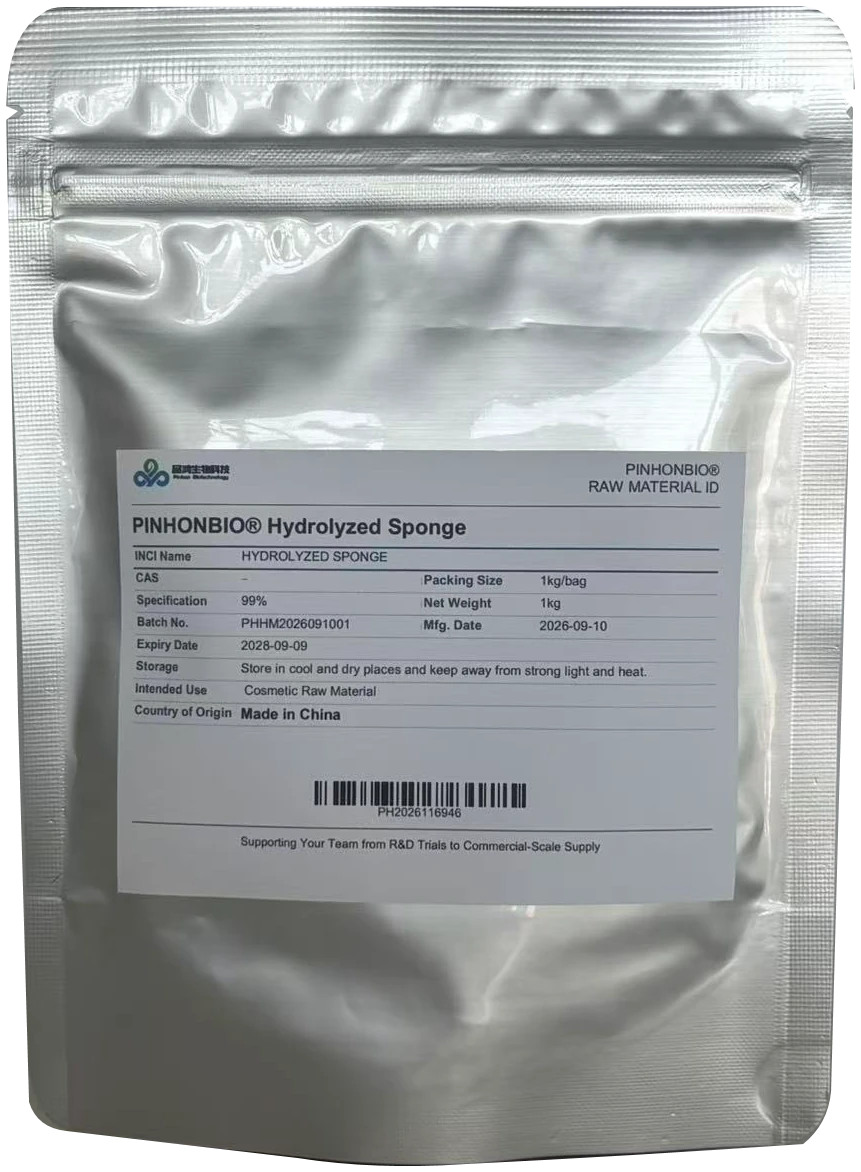 Sample barcode
Every PINHONBIO sample carries a barcode for tracking.
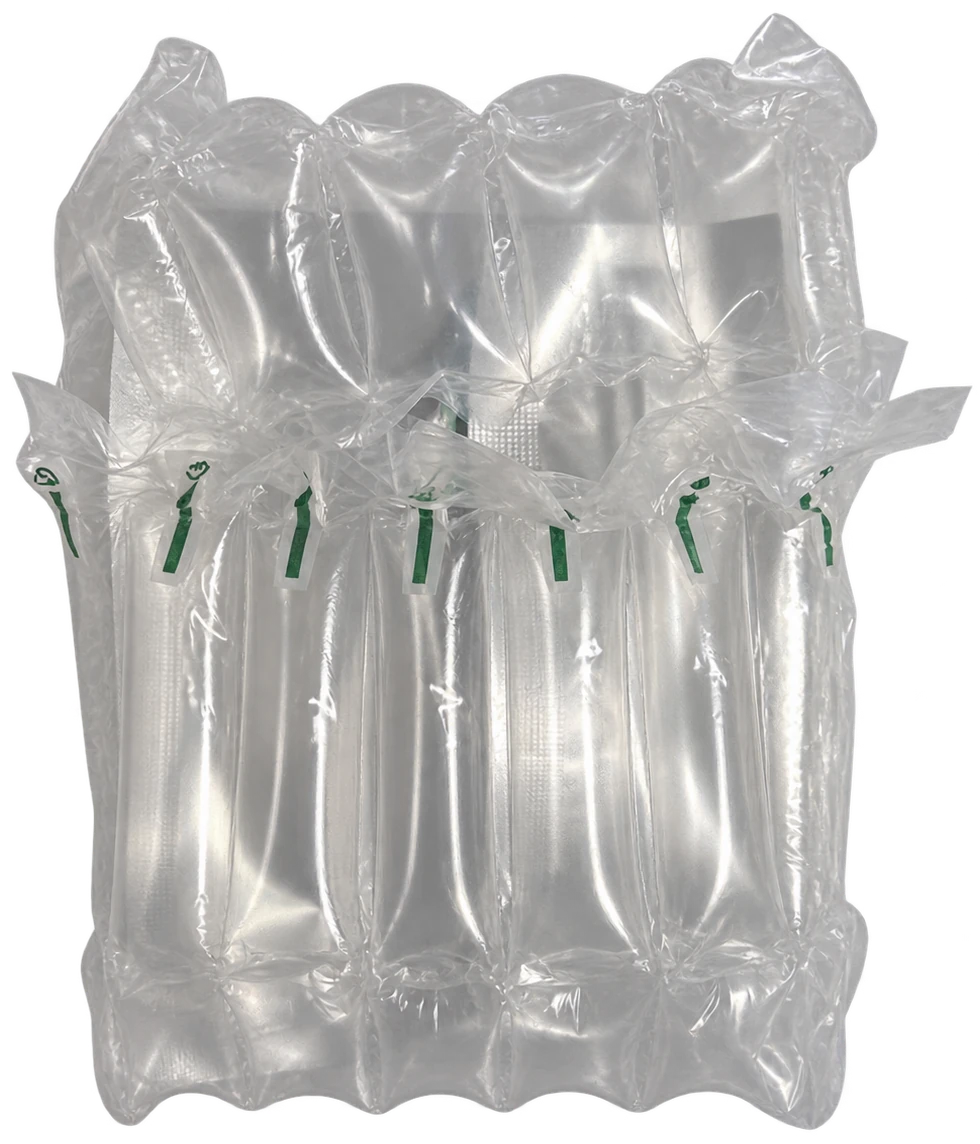 Air column
Inflated air columns wrap around the sample to cushion it during shipping.
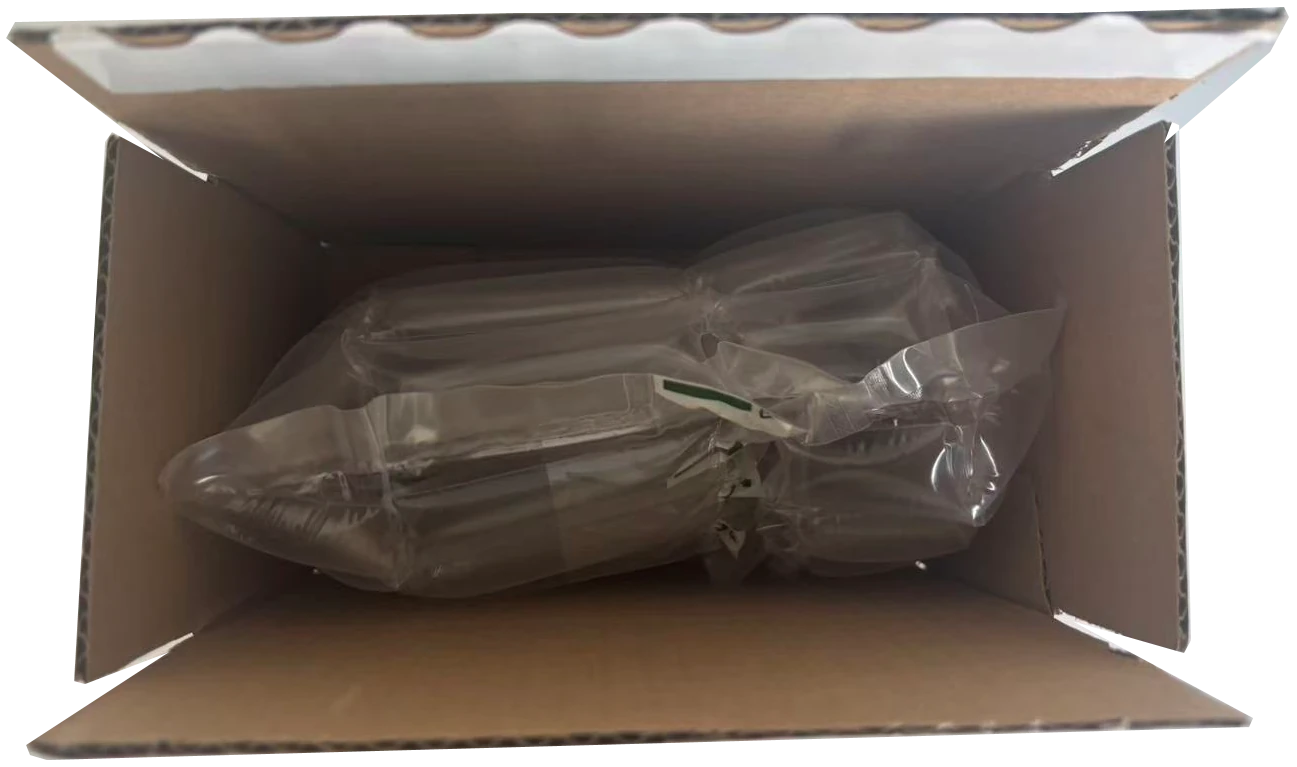 Cushioned sample
The cushioned sample fits inside the corrugated carton.
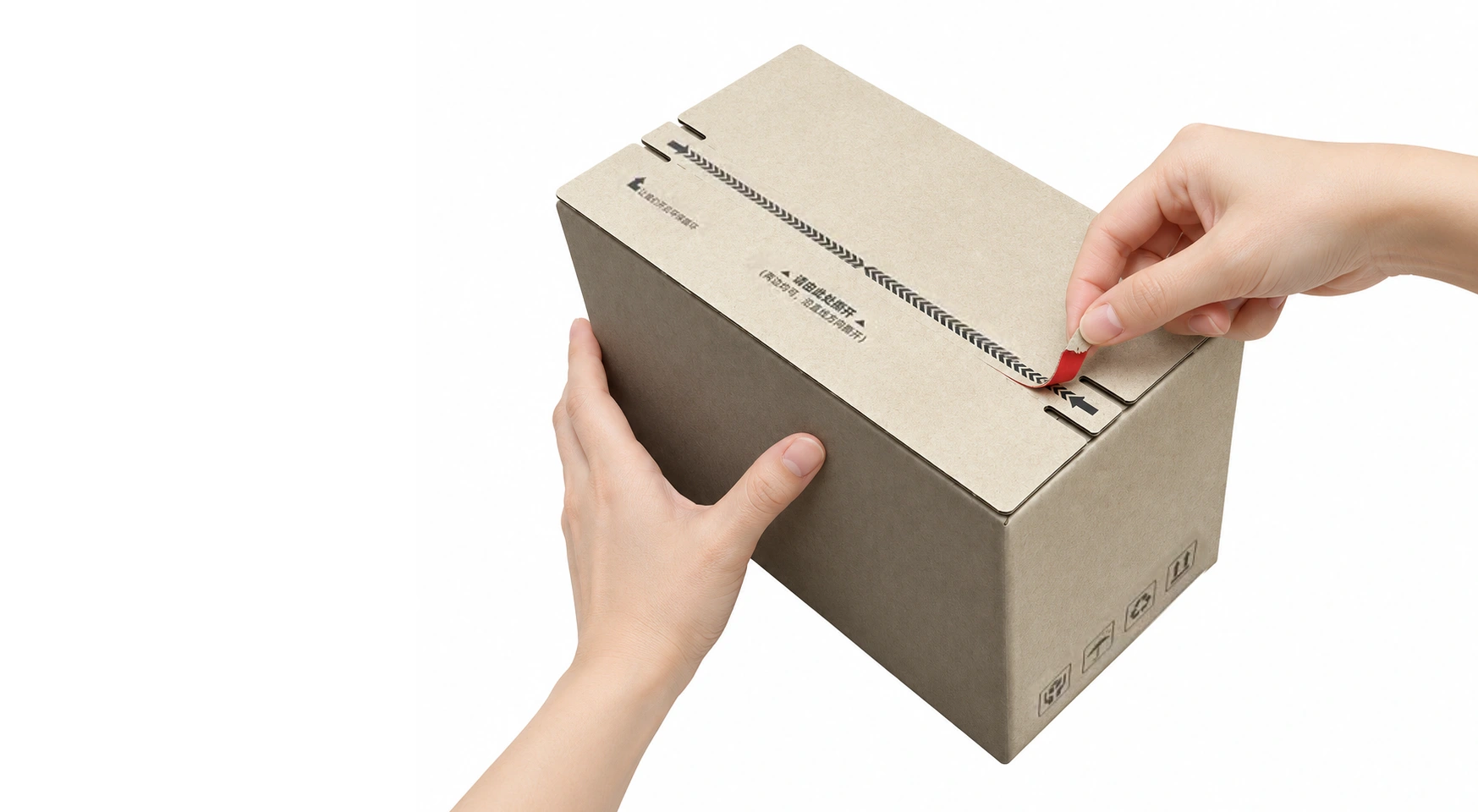 Tear strip
Check the shipping seal, then pull the tear strip across the lid to open the carton.
COMMERCIAL SUPPLY
Stock and the dispatch date for your specification are confirmed in the quotation.
Express courier (DHL, FedEx, UPS or EMS), air freight, sea freight and dedicated routes to Europe.
Available routes depend on the product, destination and shipment size.
For a freight quote, include the spicule specification, order quantity, destination country and postal code.
Request a shipping quoteBank transfer (SWIFT / T/T), letter of credit (L/C), Visa, Mastercard, Alipay and Wise. Local transfers are available in EUR, USD (ACH / Fedwire) and MYR.
Your quotation or pro forma invoice confirms the payment terms.
The 70% grade has 100–200 μm spicules. The 99% grade is available in two lengths: 220–300 μm and over 300 μm. All three specifications have a spicule diameter of 14–16 μm.
99% refers to needle-shaped spicule content. For the 99% · 220–300 μm reference powder, the specification is ≥99% and the reference batch COA reports 99.2%. For 99% · >300 μm, request its own batch COA.
The supplier’s 99% count declaration reports more than 5,000,000 spicules/g. Request the count declaration applicable to the selected length.
The general 99% TDS specifies that ≥98% passes an 80-mesh sieve. Needle length and diameter are specified separately in micrometres. The two commercial 99% lengths are 220–300 μm and >300 μm.
The minimum order is 500 g. Commercial packs are available in 1 kg, 5 kg, 10 kg and 25 kg sizes. The 5 g evaluation sample is free; the customer pays freight. Confirm current availability and dispatch for your chosen specification.
PROJECT REQUEST
Send your spicule length, quantity and destination for a quote, or request a free 5 g sample. Sample freight is charged separately.
PH-XPNS 006
PH-XPNS 001
PH-XPNS 002
PH-XPNS 003