
APPLICATION GUIDE
How to Choose Actives for Dark Spots and Uneven Skin Tone
Compare brightening actives by evidence, grade and fit for a serum or emulsion.
TECHNICAL KNOWLEDGE
Technical context for ingredient identity, analytical methods, documents, formulation evaluation and evidence boundaries.

LATEST BUYER GUIDES
APPLICATION GUIDE
Compare brightening actives by evidence, grade and fit for a serum or emulsion.
APPLICATION GUIDE
Explore hydroxypropyl beta-cyclodextrin for fabric sprays and skin wet wipes, with practical formulation, fragrance compatibility, and sourcing considerations.
BUYER GUIDE
Compare PAD powder and solution by composition, assay basis, addition quantities and cost. PINHONBIO® Manufacturer & Supplier of PH-SynBio 004 powder.
FORMULATION INSIGHTS
Compare salicin and salicylic acid by chemical identity, evidence, formulation behavior and material selection. Avoid assuming equivalent BHA or exfoliation effects.
Read the Guide →FORMULATION INSIGHTS
Choose between a defined Salicin 98% grade and a willow bark extract by identity, assay, composition, carriers, batch documents and the intended formulation brief.
Read the Guide →FORMULATION INSIGHTS
Compare tetrahydrocurcumin and curcumin for cosmetic development: molecular structure, color, solubility, stability and practical ingredient selection.
Read the Guide →FORMULATION INSIGHTS
Plan tetrahydrocurcumin formulation trials with vehicle screening, addition-stage comparisons, recrystallization checks, color controls and stability testing.
Read the Guide →SPILANTHOL · COSMETIC INGREDIENT BUYER GUIDE
Understand the ≥95% qNMR specification, batch COA, 5% MCT test and formulation evidence before selecting a high-purity Spilanthol supplier.
Read the guide →BUYER GUIDE
Compare declared spicule content, morphology, batch documentation and supply terms before selecting a grade.
Read the guide →PIROCTONE OLAMINE
Source Piroctone Olamine from PINHONBIO®, a manufacturer & supplier. Review purity, D50, impurities, solubility and batch documents before purchasing.
Read the guide →ANTI-DANDRUFF COMPARISON
Compare Piroctone Olamine and Selenium Sulfide: solubility, suspension, quality and EU/US rules. A formulator guide from PINHONBIO®, manufacturer & supplier.
Read the guide →HPBCD
HPBCD can support inclusion complexation and aqueous solubilization for suitable ingredients. Start with the active and target formulation, choose raw HPBCD or a prepared water-soluble grade, and qualify the resulting system.
HPBCD formulation guide →TETRAHYDROPIPERINE
Plan tetrahydropiperine solvent selection, incorporation and stability checks. Separate published material information from grade-specific formulation validation.
Read the guide →TETRAHYDROPIPERINE
Review tetrahydropiperine penetration research by ingredient, active and experimental model, including a 2026 combination study and the limits of applying it to cosmetics.
Read the guide →INGREDIENT COMPARISON
Which ingredient belongs in your next cosmetic formulation, and what evidence should guide the choice?
Read the formulation guide →INGREDIENT BUYER GUIDE
Compare production source, purity and assay, documentation, bulk terms and cosmetic formulation requirements.
Read the procurement guide →INGREDIENT COMPARISON
What does a Bisabolol source description tell you—and what still needs to be checked?
Read the formulation guide →
What does a clear water-solubility result tell a cosmetic formulator—and what still needs testing?
Read the buyer guide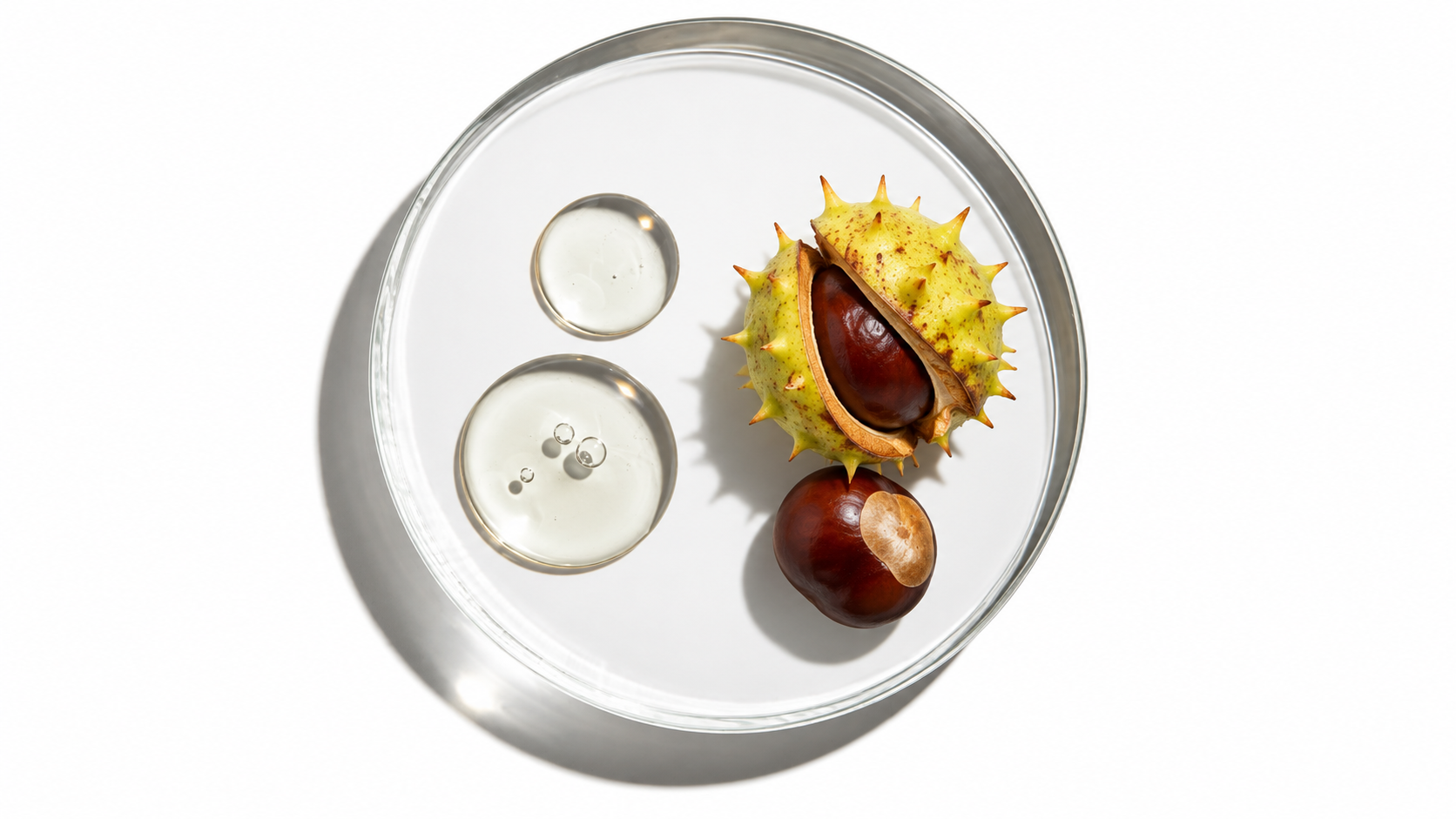
Should you source high-purity total Aescin or a standardized Horse Chestnut Extract?
Read the buyer guide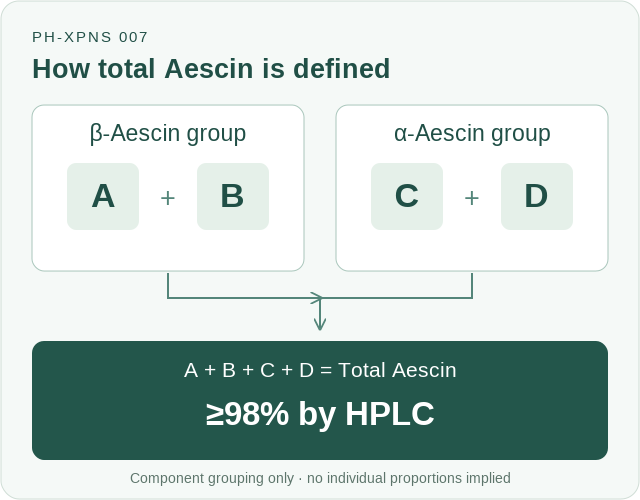
What should you verify before choosing an Aescin supplier?
Read the buyer guide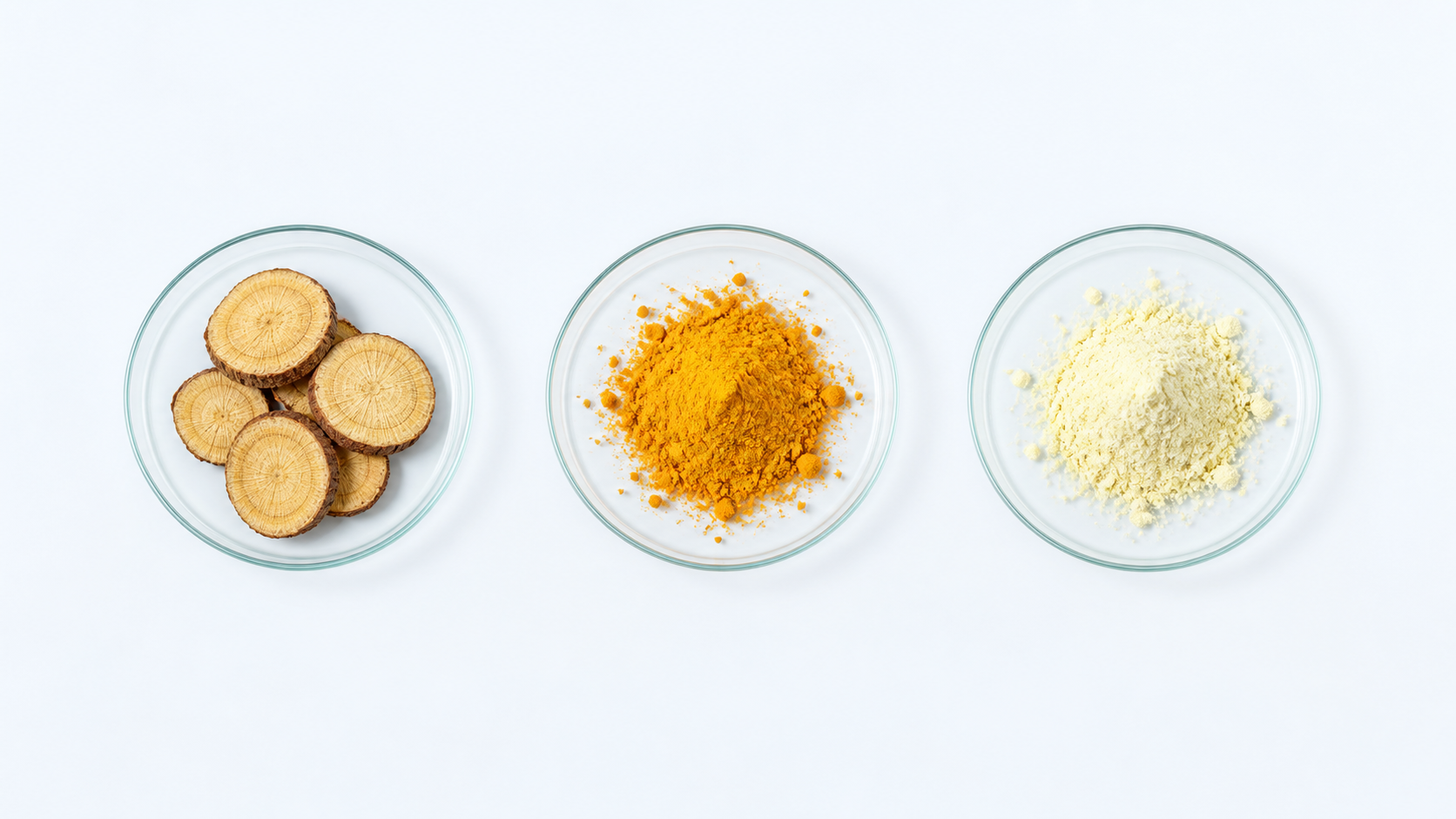
Choose between these grades by both active assay and formulation system. A 98% assay serves a high-purity requirement; a 10% water-soluble or 20% alcohol-soluble grade addresses a different incorporation route. The highest percentage is not automatically the most practical material for a finished cosmetic.
Read the buyer guide
Begin with the finished formula’s solvent system, then select the Licochalcone A grade, define the material use level for evaluation, and check dissolution and stability. Confirm identity and documents before sampling so the laboratory and purchasing team evaluate the same commercial material.
Read the buyer guide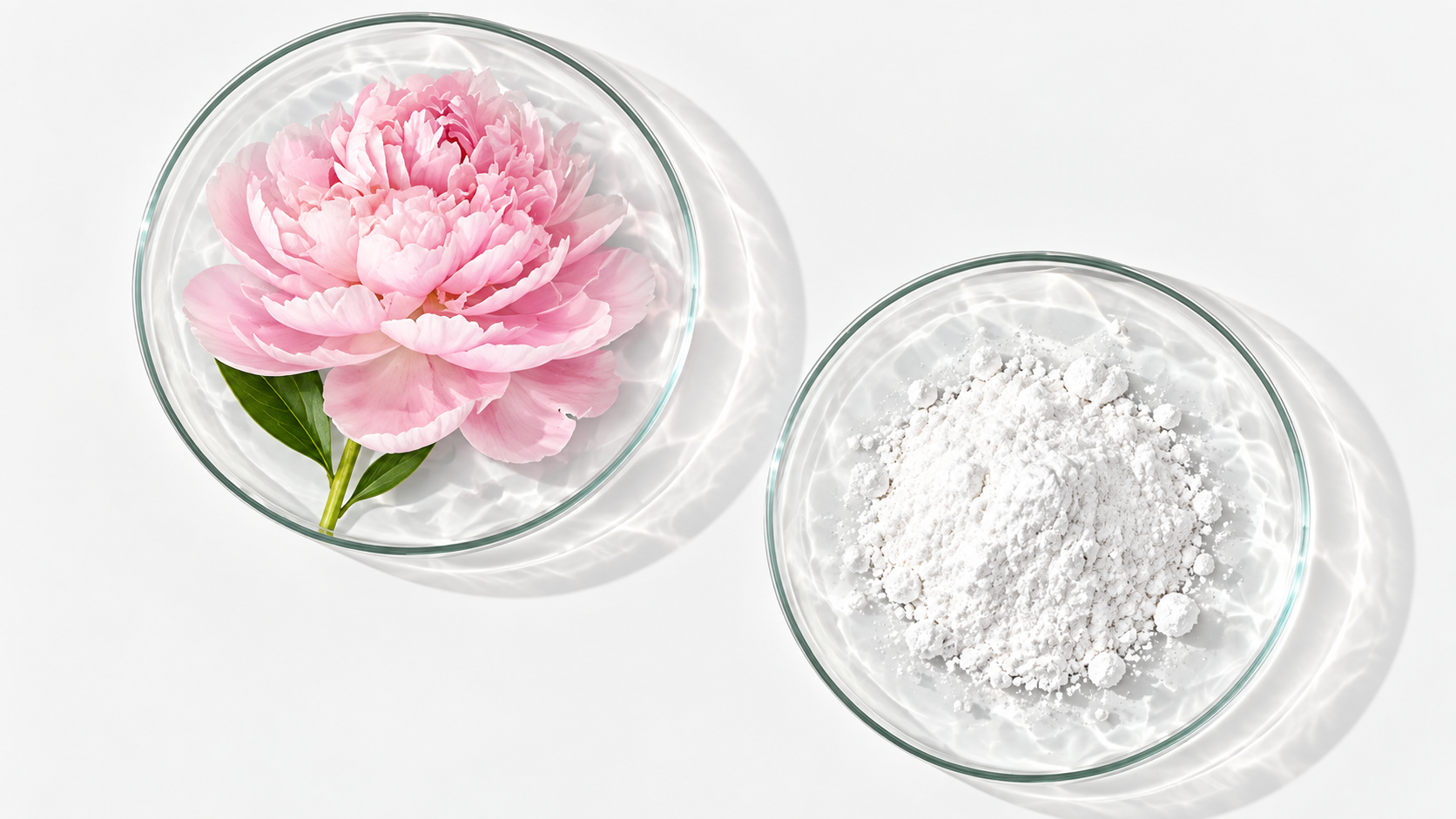
White Peony Extract names a broad botanical ingredient. Paeoniflorin names a defined molecule that can be used to standardize that ingredient. For procurement, the botanical name alone is insufficient: compare the declared Paeoniflorin content, HPLC assay basis, composition and intended cosmetic specification.
Read the buyer guide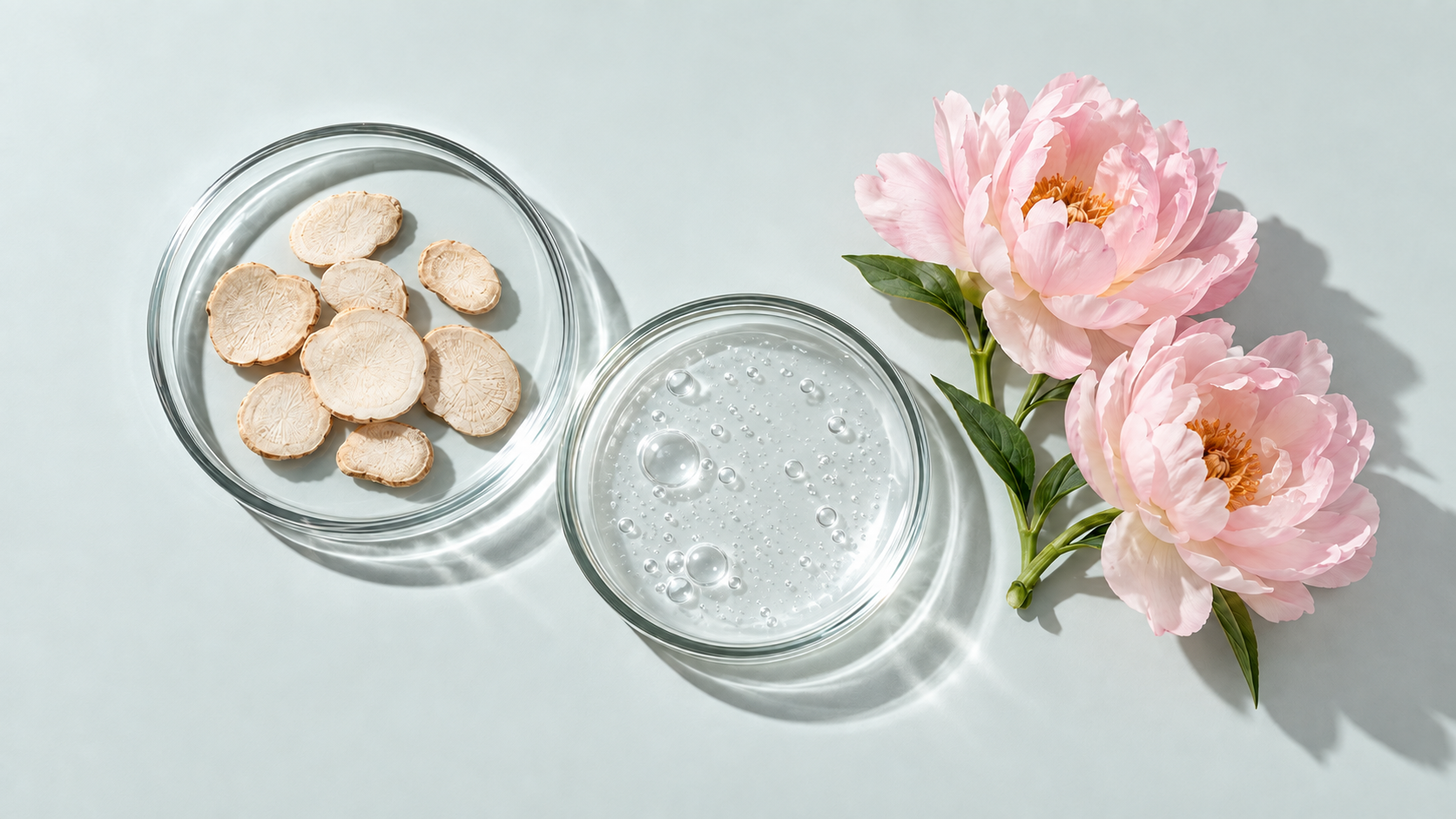
Qualify a Paeoniflorin supplier by the exact commercial grade, interpretable HPLC evidence, matching documents and a written supply quotation. Purity is one part of the decision; the supplier’s role, actual sample, acceptance criteria and order terms also need to match the project.
Read the buyer guide
PH-XPNS 003: 5% / 10% Acmella Oleracea Extract. PH-XPNS 010: separate high-purity Spilanthol, ≥95% by qNMR. Compare the specification, carrier and matching documents.
Read the buyer guide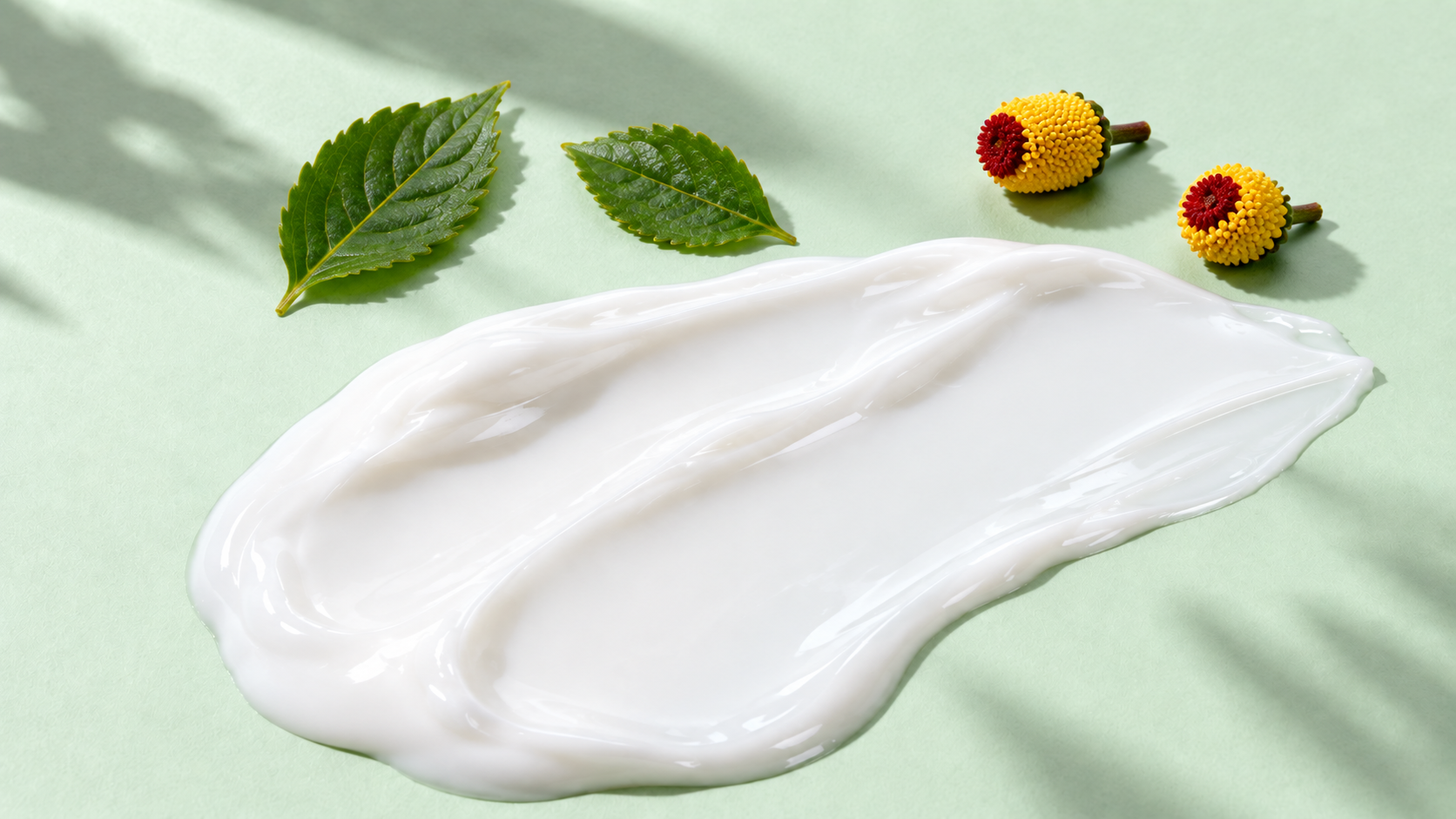
PH-XPNS 003 covers 5% / 10% extract; PH-XPNS 010 is ≥95% by qNMR high-purity Spilanthol. The eye cream prototype uses only the 5% extract; its addition level is not a general recommendation.
Read the buyer guide
Distinguish CAS 21862-63-5 trans material from cis/trans mixtures using GC separation, area-purity interpretation, ¹H NMR and supporting checks.
Read the buyer guide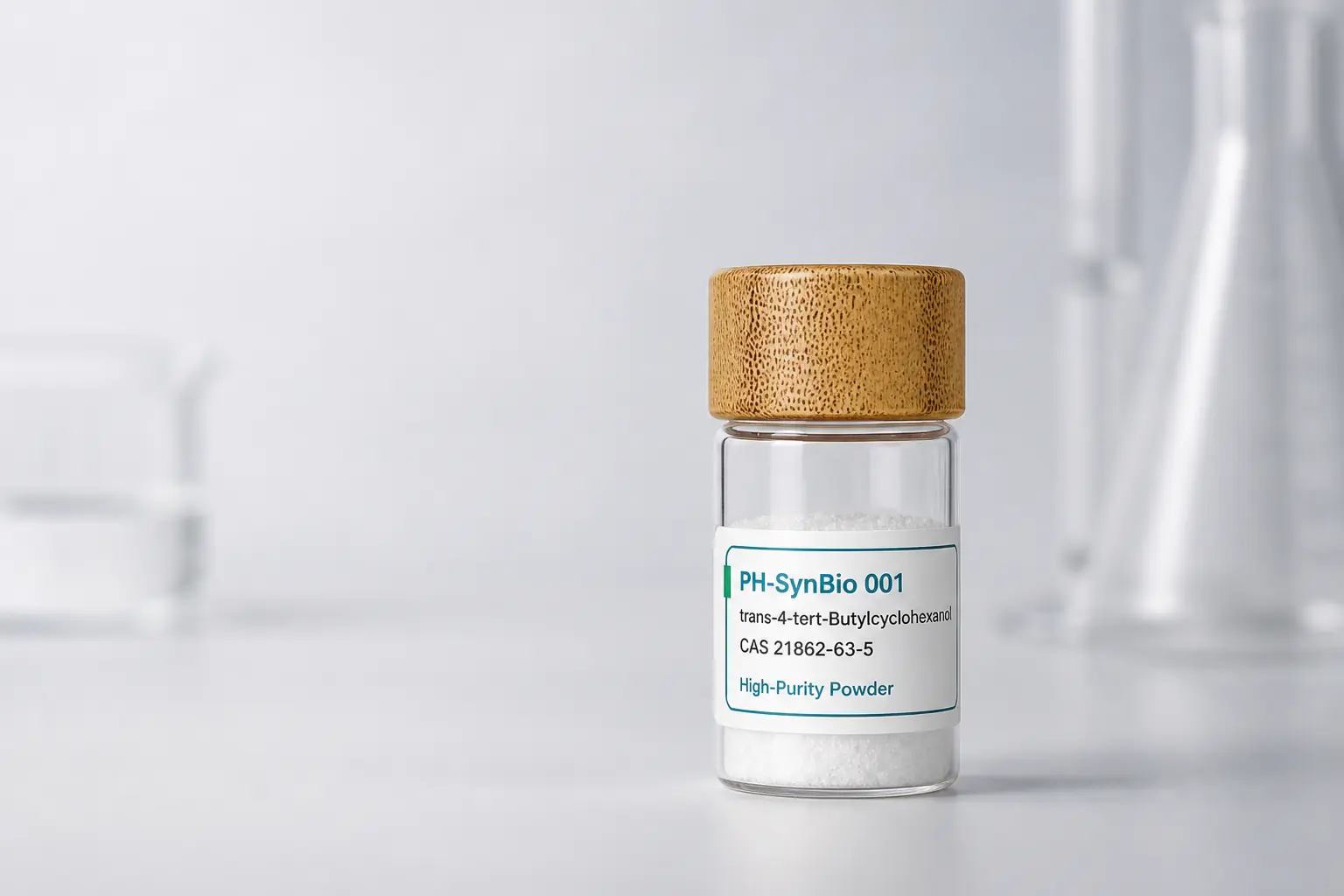
Compare a pentylene-glycol liquid composition with PINHONBIO®'s unaffiliated carrier-free trans-isomer powder.
Read the buyer guide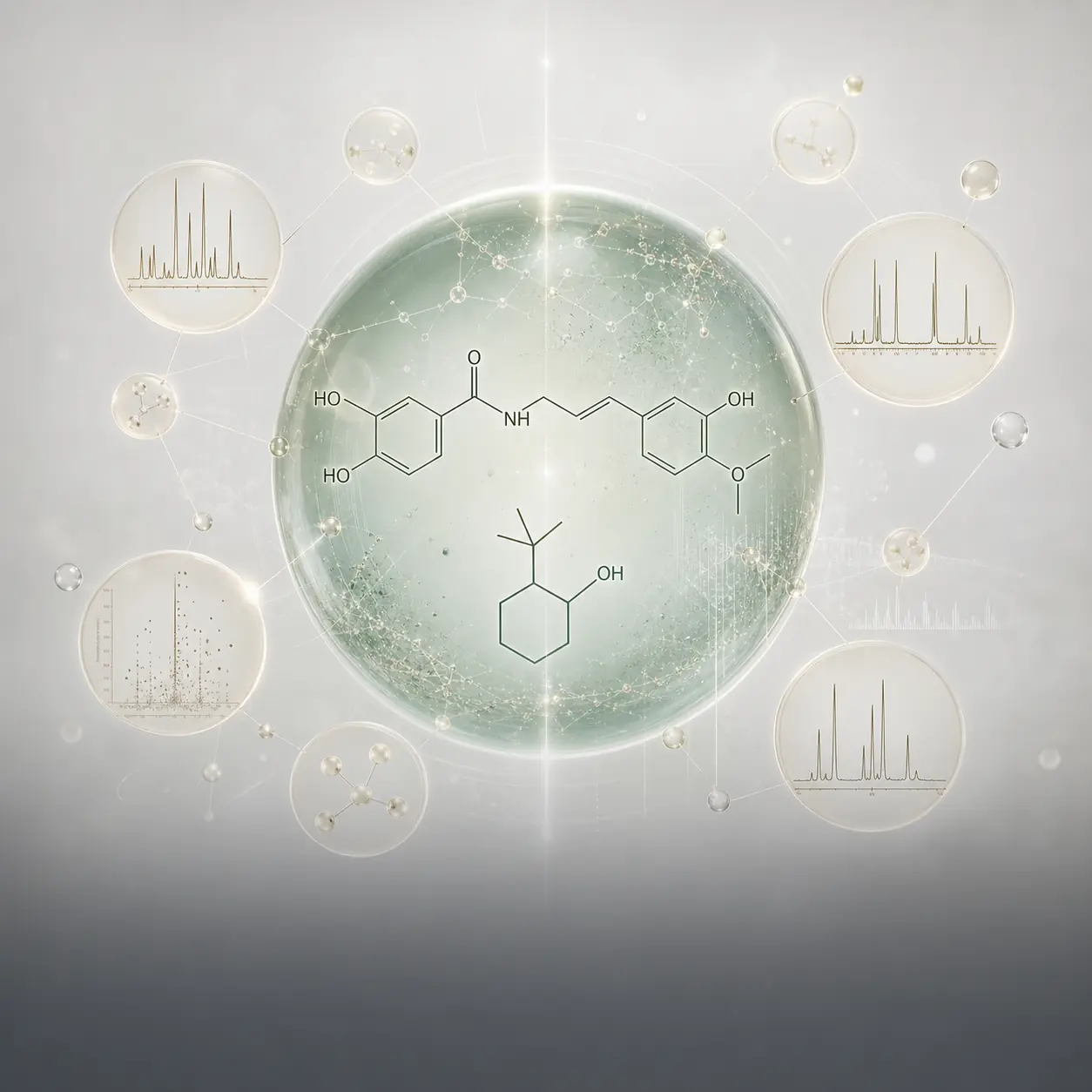
Review pure-powder identity, analytical basis, documents, formulation work and claim boundaries before selecting a supplier.
Read the buyer guide
Compare EUK-134 quotations by CAS 81065-76-1, HPLC specification, documents, packaging and commercial terms.
Read the buyer guideLearn why the same name or CAS does not by itself establish commercial equivalence between EUK-134 offers.
Read the buyer guide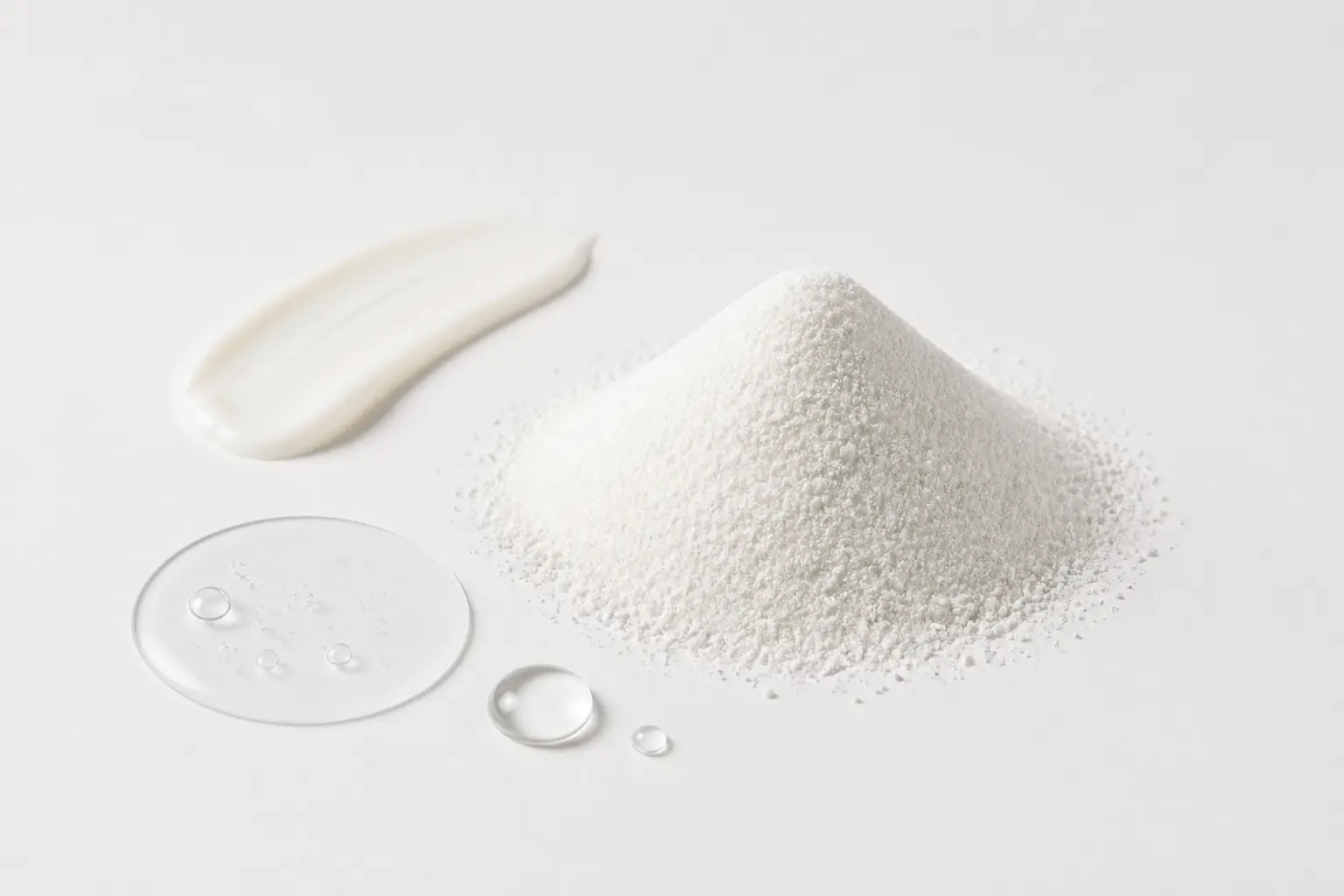
Resolve the INCI, commercial name and CAS relationship, then compare 99% powder, solution and salt-form offers using the correct supplier documents.
Read the buyer guideCompare external-standard assay with area-normalized purity across Bakuchiol, Tetrahydrocurcumin, EUK-134 and trans-4-tert-Butylcyclohexanol.
Read the buyer guide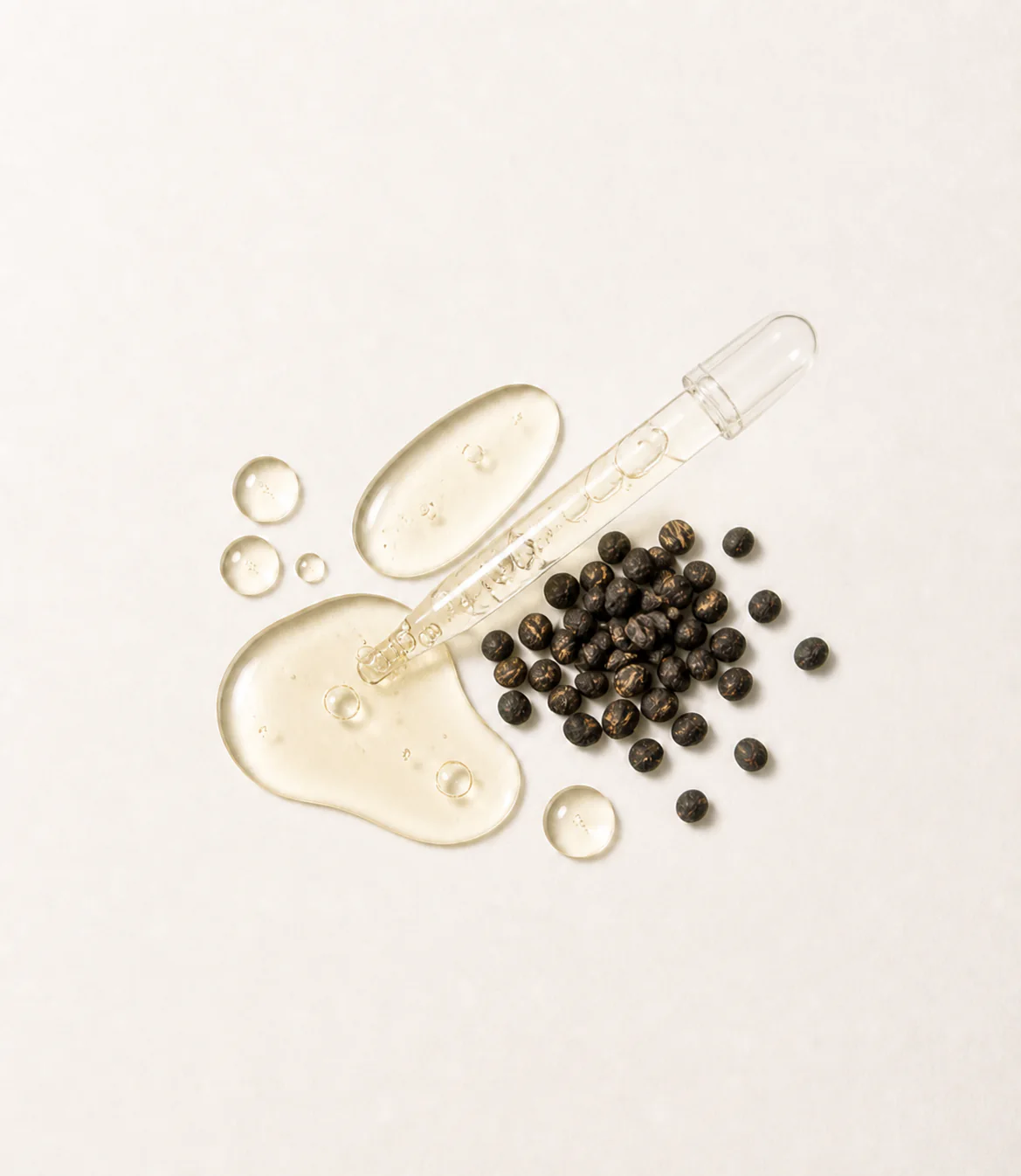
Understand Bakuchiol identity, what topical research actually tested, how it differs from retinol and what formulators must validate.
Read the buyer guideVerify Bakuchiol identity, 99% HPLC grade, batch documents, analytical boundaries and oil-soluble formulation questions before purchasing.
Read the buyer guideReview EUK-134 identity, HPLC specification, TDS and batch COA roles, formulation questions and supplier evidence before purchasing.
Read the buyer guide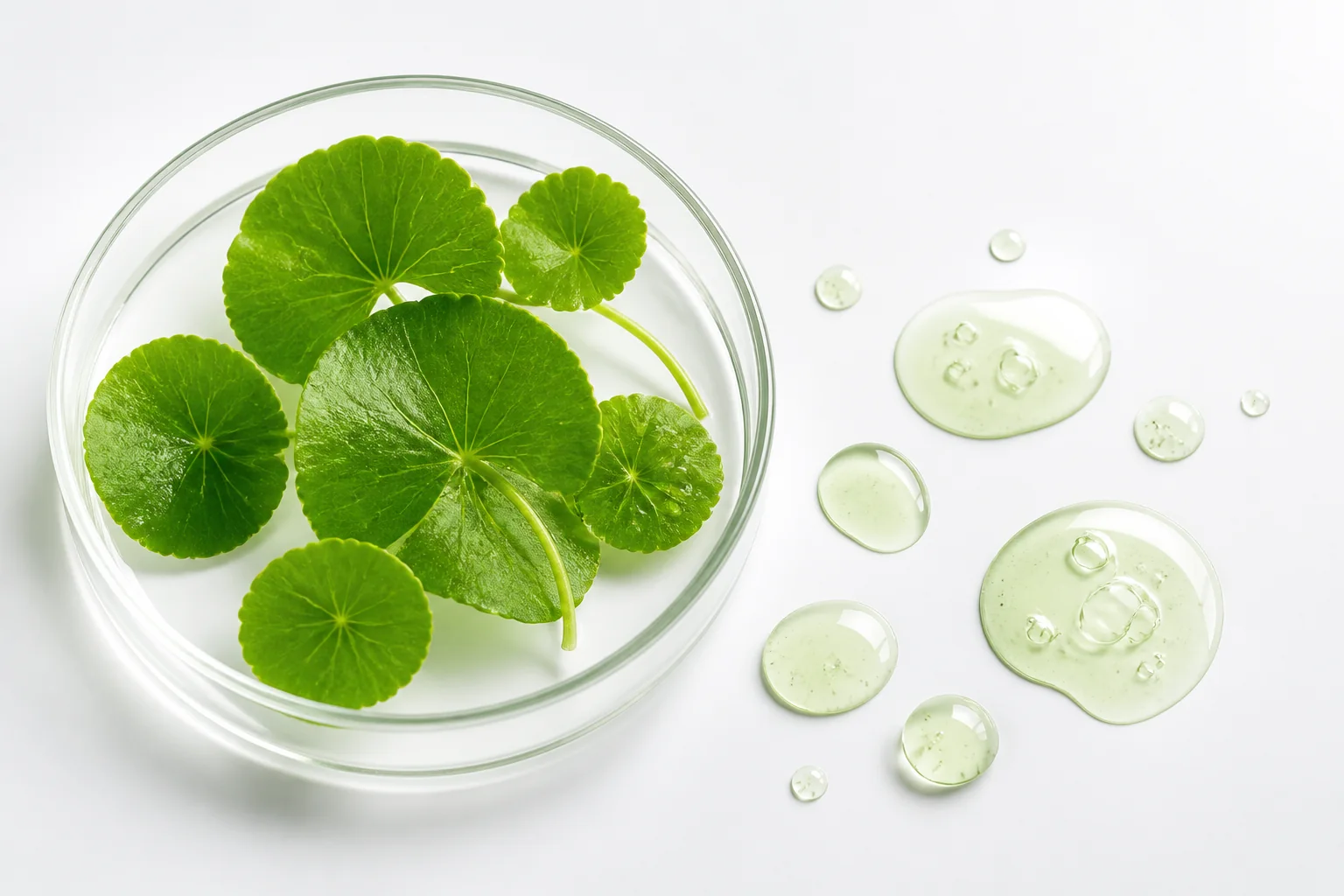
Compare material identity, assay basis, HPLC evidence and batch documentation before treating Centella-derived grades as equivalent.
Read the buyer guideFrom mushroom raw-material screening to a defined ingredient specification, development connects source identity, quantitative analysis, process trials and scale-up. This overview explains the project workflow without disclosing customer formulations or confidential processing conditions.
Define the project →TECHNICAL TOPICS
This section explains concepts and review methods. For direct product, formulation, document and sourcing questions, use Ingredient Q&A.
How identity, assay and method selection relate to ingredient-specific evidence.
Technical contextHow TDS, specification, SDS, batch COA and testing reports serve different review tasks.
Technical contextHow solubility, addition sequence, pH, compatibility and stability observations are reviewed.
Technical contextHow ingredient research differs from application testing and finished-product claims.
Technical contextINGREDIENT Q&A
Each answer separates general decision support from the product documents, customer testing or market confirmation still required.
Browse Ingredient Q&APROJECT SUPPORT
Share the product format, target pH, process and market. Our team will help define the next practical step.