PH-NP 002 · PRODUCT DATA

Kava Extract Manufacturer & Supplier

Water-Soluble Kava Extract · 4000–5000 ppm Kavalactones

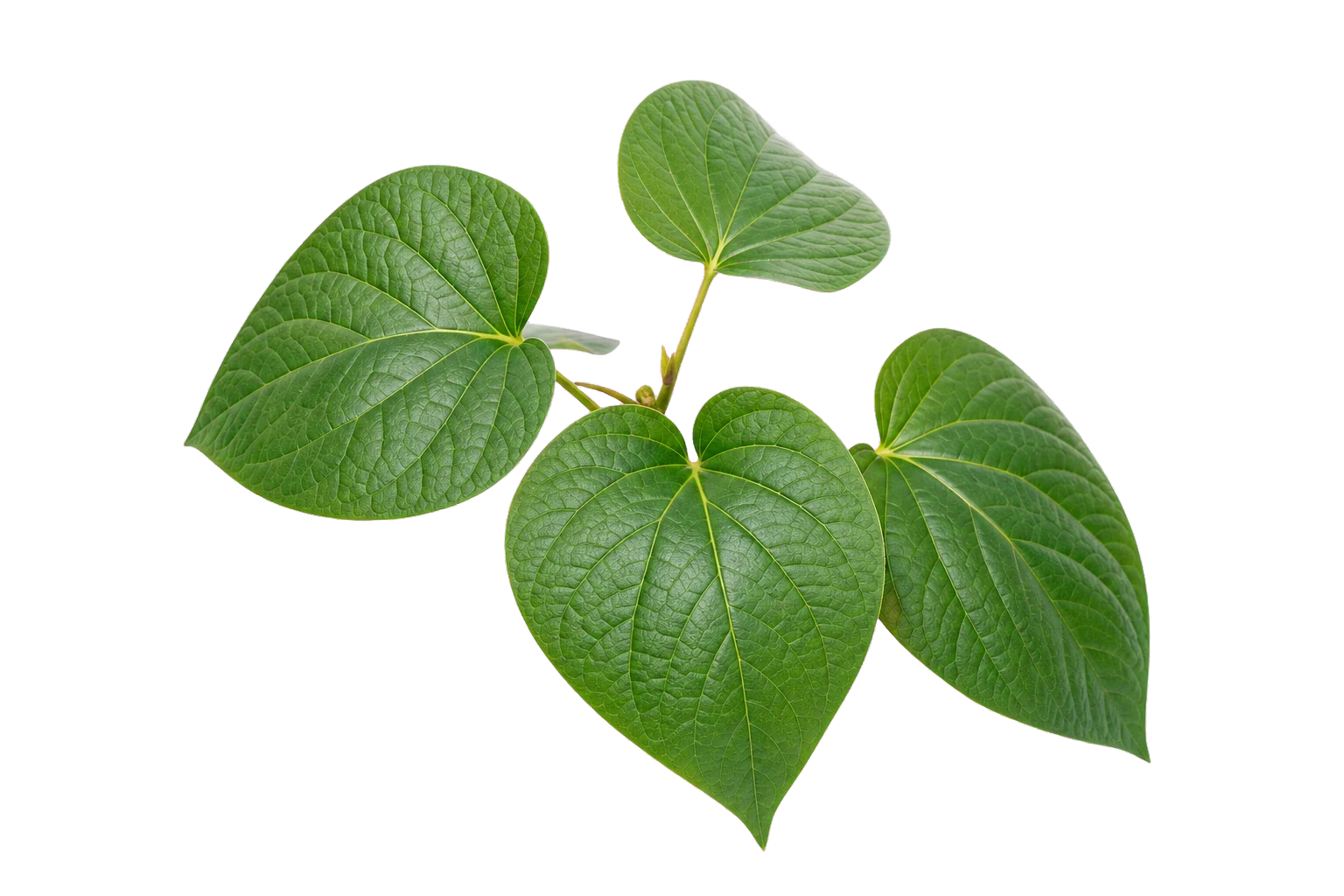
Derived from Piper methysticum root; composition depends on the ordered grade

PINHONBIO® manufactures and supplies PH-NP 002 water-soluble Kava Extract with 4000–5000 ppm kavalactones and hydroxypropyl beta-cyclodextrin for aqueous cosmetic formulation. View synthetic Kavain ≥98.0% HPLC (PH-XPNS 011) · Oil-soluble Kava Extract

Product code
PH-NP 002
Source
Piper methysticum root
Water-soluble grade
Kavalactones: 4000–5000 ppm
Form
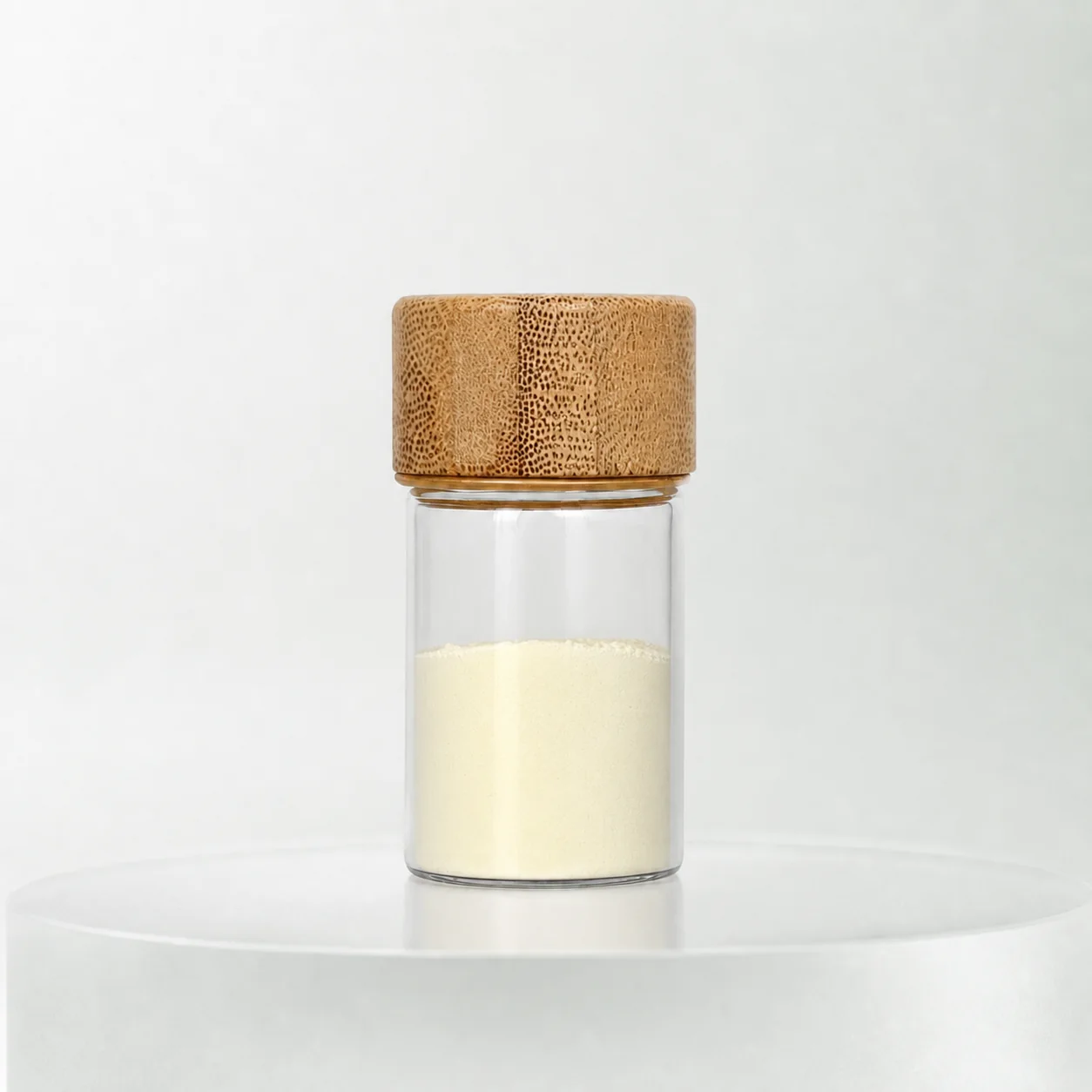
Water-soluble powder or pale-yellow oil-soluble liquid
Water-soluble system
Hydroxypropyl Beta-Cyclodextrin

This page describes ingredient identity, specification and technical review points. It does not establish a finished-product efficacy or regulatory claim.

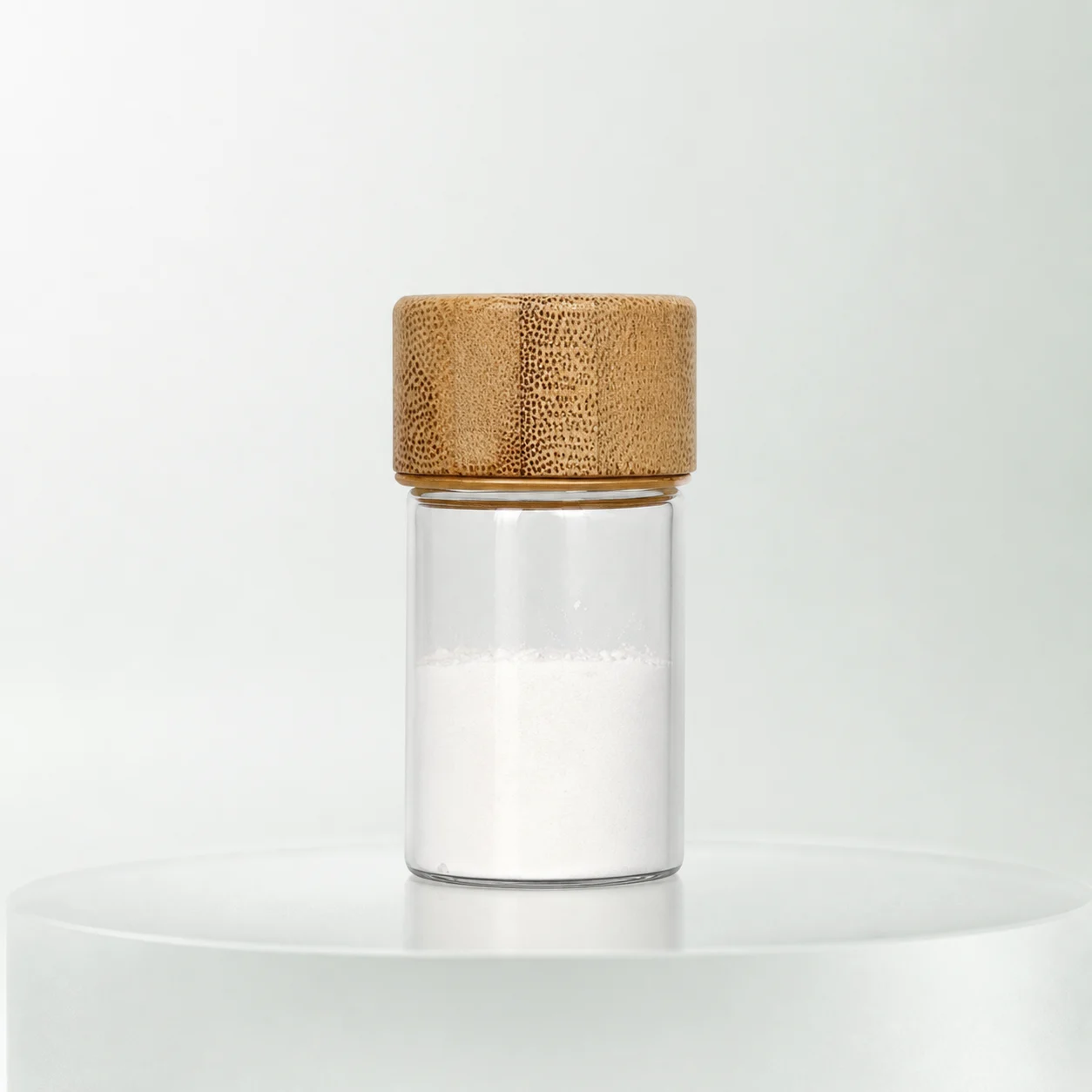
PINHONBIO® PH-NP 002 Water-Soluble Kava Extract and Kavain 98% product presentation
Water-Soluble Kava Extract · 4000–5000 ppm total kavalactones

QUICK ANSWER

Water-Soluble Kava Extract · 4000–5000 ppm Kavalactones

PH-NP 002 is a botanical preparation containing 4000–5000 ppm kavalactones and hydroxypropyl beta-cyclodextrin. Synthetic Kavain is supplied separately as PH-XPNS 011.

IDENTITY & PROPERTIES

Verify the product identity before assessing its technical suitability.

Product name, code, grade, label and batch documents should point to the same material. This is the foundation for technical, quality and purchasing review.

Product name
Kava Extract
Product code
PH-NP 002
Source
Derived from Piper methysticum root; composition depends on the ordered grade
Form
Water-soluble powder or pale-yellow oil-soluble liquid
Test method
HPLC

PH-NP 002 is a botanical preparation containing 4000–5000 ppm kavalactones and hydroxypropyl beta-cyclodextrin. Synthetic Kavain is supplied separately as PH-XPNS 011.

GRADE SELECTION

Water-soluble and oil-soluble Kava Extract specifications

Select the extract by formulation phase and active content.

SpecificationWater-soluble extractPH-NP 002Oil-soluble extract
Active contentTotal kavalactones · 4000–5000 ppm (HPLC)Kavain · ≥1%
CarrierHydroxypropyl Beta-CyclodextrinCaprylic/Capric Triglyceride (GTCC) · 96%
Botanical ingredientPiper methysticum root extractPiper Methysticum Root Extract · 4%
CAS 84696-40-2
Recommended use level0.5–2%
2% in the sheet mask prototype
0.5–1%
AppearanceOff-white to pale-yellow powderPale-yellow liquid
Shelf life and storage24 months. Store sealed in a cool, dry place, protected from light.24 months. Store sealed in a cool place, protected from light.
Grade inquiryContact our teamContact our team
Water-soluble grade · tests and supporting documents
Water-soluble grade (PH-NP 002)
Review itemListed requirementMethod or evidence
Kavalactones — water-soluble grade4000–5000 ppmGrade-specific specification and batch COA
Solubility Water-soluble Operating conditions confirmed in TDS and trial
OdorCharacteristicSensory inspection
Third-party reportsMatch report number and tested sampleDocument review

Cosmetic applications for Kava Extract

Water-soluble grade

Sheet masks and water-based facial serums
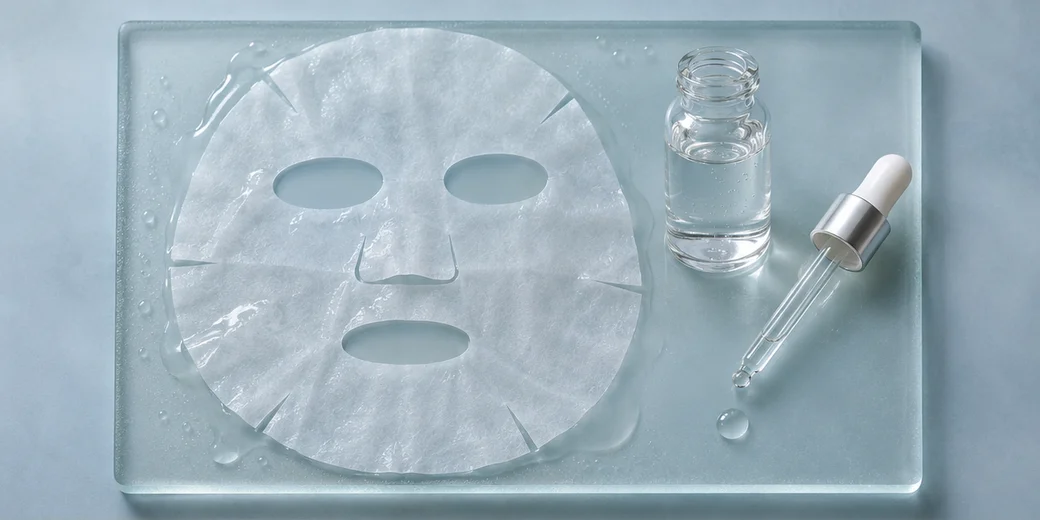
A sheet mask beside a vial and pipette of water-based serum.

The recommended use level is 0.5–2% of the finished formula. For a soothing-care sheet mask, evaluate the water-soluble extract in the essence that saturates the sheet. The prototype pairs 2% extract with 2% water-soluble oat beta-glucan powder. For a clear facial serum, check clarity after adding the extract and again after storage.

View the sheet mask prototype
Oil-soluble grade

Facial oils, facial creams and body lotions

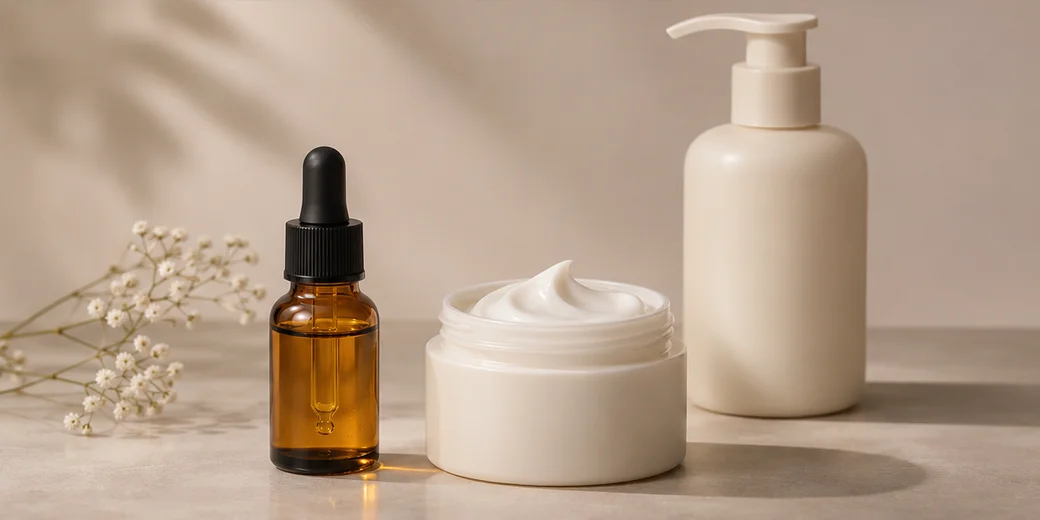
Facial oil in a dropper bottle, a jar of cream and a body lotion pump.

For a facial oil, blend the GTCC-based grade into the oil base. For a cream or body lotion, evaluate it in the oil phase of the emulsion. The recommended use level is 0.5–1% of the finished formula.

View the oil-soluble specification

FORMULATION TECHNOLOGY

HPBCD in Water-Soluble Kava

PINHONBIO® uses Hydroxypropyl Beta-Cyclodextrin in its Water-Soluble Kava system to support compatibility with aqueous cosmetic formulations. This application refers to the water-soluble grade.

Formulation Technology: Hydroxypropyl Beta-Cyclodextrin inclusion / solubilization system →

Request the grade-specific composition and technical documents, and evaluate the intended concentration and formulation conditions.

Explore Supramolecular Encapsulation Technology →

COMPOSITION & ACTIVE CONTENT

Review the composition of the selected grade.

For a defined molecule, active content is normally expressed through identity and assay. For an extract or multi-component ingredient, marker content, carrier and composition need to be reviewed together.

Listed content
4000–5000 ppm kavalactones
Analytical method
HPLC
Composition evidence
Current Specification and corresponding batch COA

The listed assay or grade must not be interpreted as a finished-product efficacy claim. For extracts, request confirmation of the plant identity, plant part, marker definition, carrier and extraction information where applicable.

INDUSTRY REFERENCE

General formulation evaluation checklist.

This checklist is general industry-oriented screening guidance, not a product specification or PINHONBIO® test result.

Validate every point in the customer's complete formula, process, safety assessment and packaging.

Compatibility
Evaluate with solvents, surfactants, electrolytes, preservatives and other actives in the complete system
Stability checks
Monitor appearance, odor, color, clarity, precipitation and active-content change under the intended program
Packaging
Include the intended primary pack in compatibility and stability evaluation

Sheet mask essence with water-soluble Kava and oat beta-glucan

Bench prototype. Percentages are by weight of the supplied ingredients in the finished essence.

Ingredient% w/w
Purified water91.70
Glycerin3.00
Water-soluble Kava Extract (PH-NP 002, 4000–5000 ppm total kavalactones)2.00
Water-soluble oat beta-glucan powder (70% beta-glucan)2.00
1,2-Hexanediol0.50
Phenoxyethanol / Ethylhexylglycerin preservative blend (90:10)0.80
Total100

Preparation and evaluation

Gradually disperse the oat powder in part of the water while stirring. Allow it to hydrate fully. Dissolve the Kava grade separately in reserved water. Combine the two phases, add glycerin and 1,2-hexanediol, then incorporate the preservative according to its supplier’s instructions. Bring to final weight with the remaining water.

At these addition levels, the calculated contents are about 1.4% oat beta-glucan and 80–100 ppm total kavalactones. Start without carbomer and check viscosity, sheet uptake and serum release after hydration. Measure pH and evaluate stability and preservative efficacy in the filled sachet before use.

QUALITY & REGULATORY SUPPORT

Match quality evidence and regulatory review to the destination market.

Availability and applicability vary by ingredient, grade, batch and intended market. A document being available does not by itself establish finished-product compliance.

QUALITY CONTROL

Identity and batch acceptance

Review the product code, grade, test method, current Specification and corresponding batch COA together.

RISK-BASED REVIEW

Relevant contaminant controls

Request applicable microbiology, heavy metals, residual solvents, pesticides or other risk-based controls for the selected ingredient.

REGULATORY SUPPORT

Market-specific status

IECIC, REACH, TSCA and other inventory or notification questions are confirmed for the specific material and destination market upon request.

DECLARATIONS

Project-specific statements

Vegan, GMO, allergen, animal-testing and related declarations are supplied only when supported by the applicable product file.

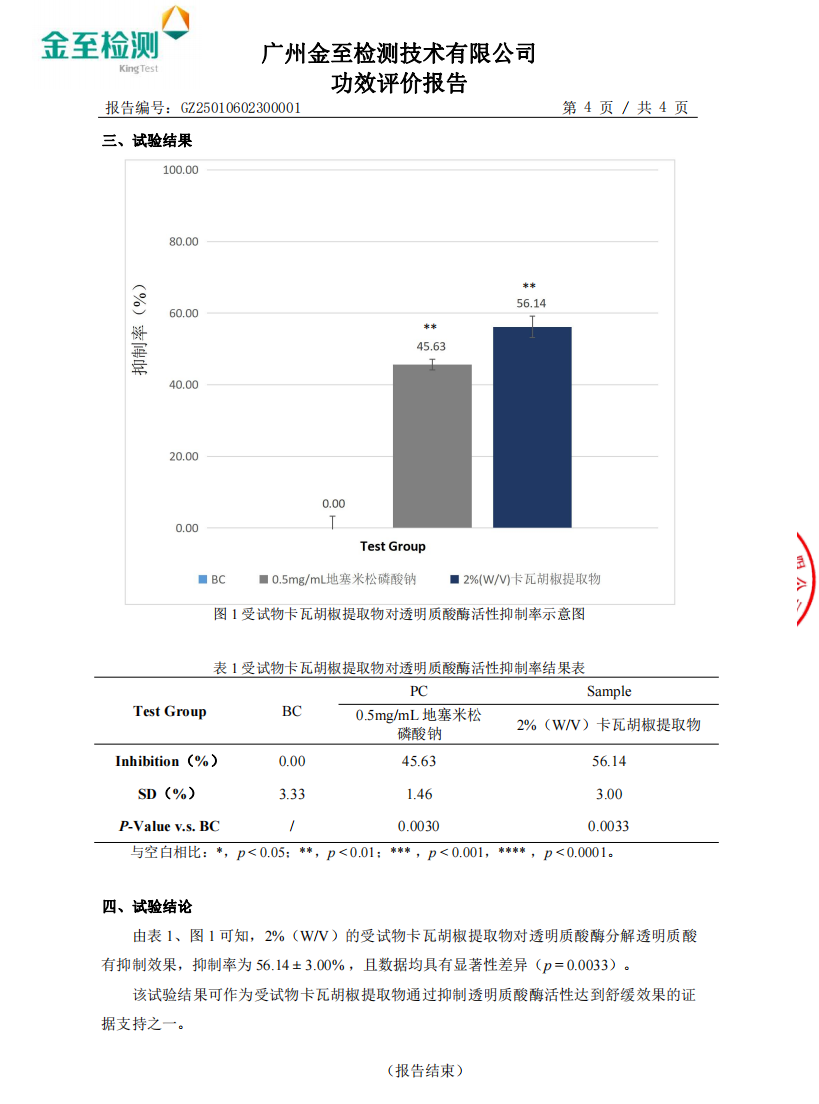
Kava extract: inhibition of hyaluronidase activity

At 2% (w/v), the tested kava extract inhibited hyaluronidase activity by 56.14% (SD 3.00 percentage points). The difference from the blank control was statistically significant (p = 0.0033).

Assay results
Test groupMean inhibition (%)SD (percentage points)p vs. blank
Blank control0.003.33—
Dexamethasone sodium phosphate, 0.5 mg/mL (positive control)45.631.460.0030
Kava extract, 2% (w/v)56.143.000.0033

The report identifies this result as one line of evidence for a potential soothing mechanism. The assay measured enzyme activity. Skin response and the finished sheet mask were outside its scope.

Original Chinese report page with the hyaluronidase inhibition chart, results table and conclusion.
KingTest efficacy evaluation report · GZ25010602300001
Page 4 of 4 · Chinese original · Open the full-size report page

DOCUMENTATION

Technical documents by grade

Water-soluble extract (PH-NP 002): TDS, specification, SDS, batch COA and supporting test reports.

Request water-soluble grade documents

Oil-soluble extract: batch COA, TDS and SDS.

Request oil-soluble grade documents
01TDSTechnical data and formulation guidance
02SpecificationProduct acceptance criteria
03SDSSafety and handling information
04Batch COAResults for the corresponding batch
05Third-party reportsEvaluation and pesticide-residue reports, subject to sample and report matching

Commercial packaging, shipping and payment

Commercial packaging
Water-soluble extract (PH-NP 002): 1 kg bags or 25 kg drums. Oil-soluble extract: 1 kg bottles.
Both grades: 20 g sample per grade; minimum order 1 kg per grade.
Shipping methods
Express courier (DHL, FedEx, UPS or EMS), air freight, sea freight and dedicated routes to Europe. The available route depends on the product, destination and shipment size.
Dispatch in 1–3 days. Estimated transit after dispatch: 5–8 days on faster routes or 8–15 days on slower routes.
Payment methods
Bank transfer (SWIFT/T/T), letter of credit (L/C), Visa, Mastercard, Alipay and Wise. Local transfers are available in EUR, USD (ACH/Fedwire) and MYR. Payment terms are specified in the quotation or pro forma invoice.

PINHONBIO

Packaging & shipping

PINHONBIO packaging examples. The pack sizes for this product are listed above.

Check the seal before opening your carton. It should be intact, with no “VOID” text visible.

View the shipping sealPINHONBIO shipping seal with a shield symbol and instructions for checking it before opening.
Tamper-evident seal
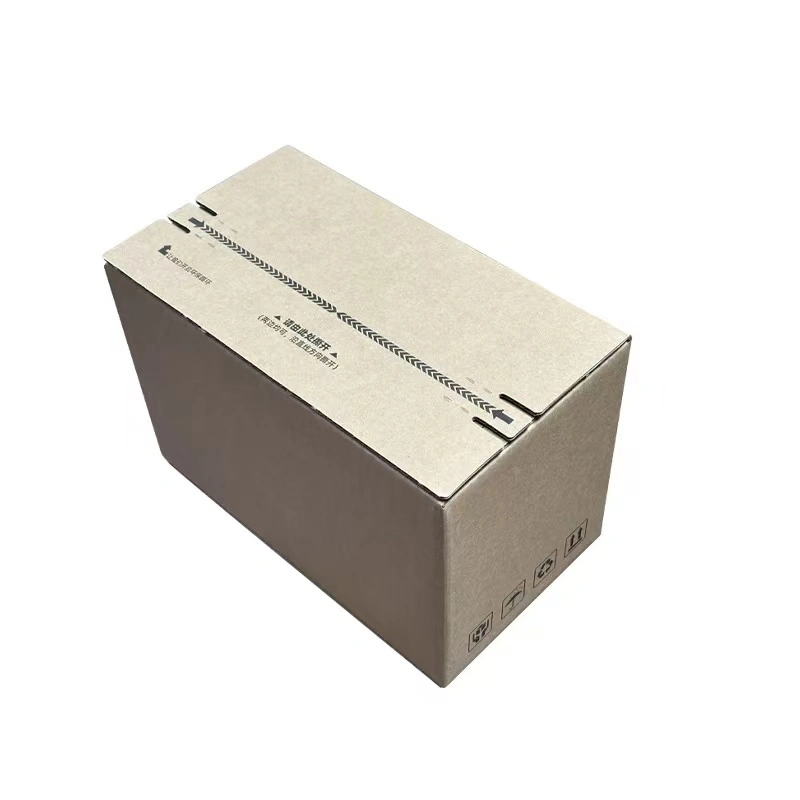
Shipping carton · 26 × 15 × 18 cm (L × W × H)Seal placement illustration. The label bridges the lid and front panel.

Commercial packaging examples

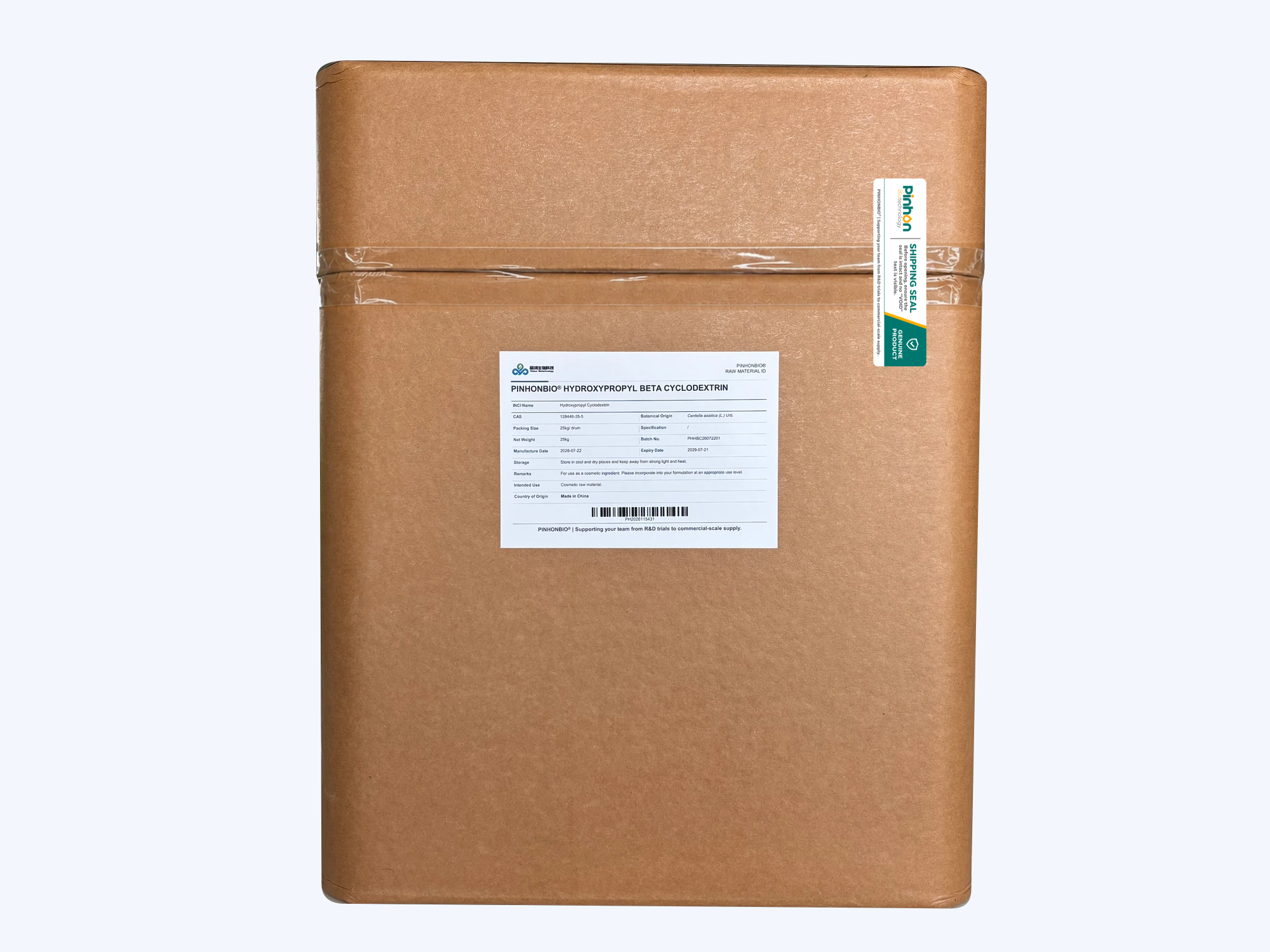
25 kg square fibre drumTamper-evident authenticity sealBatch traceability code
25 kg square fibre drum

38 × 38 × 45 cm. A 3 × 10 cm tamper-evident seal bridges the taped lid seam.

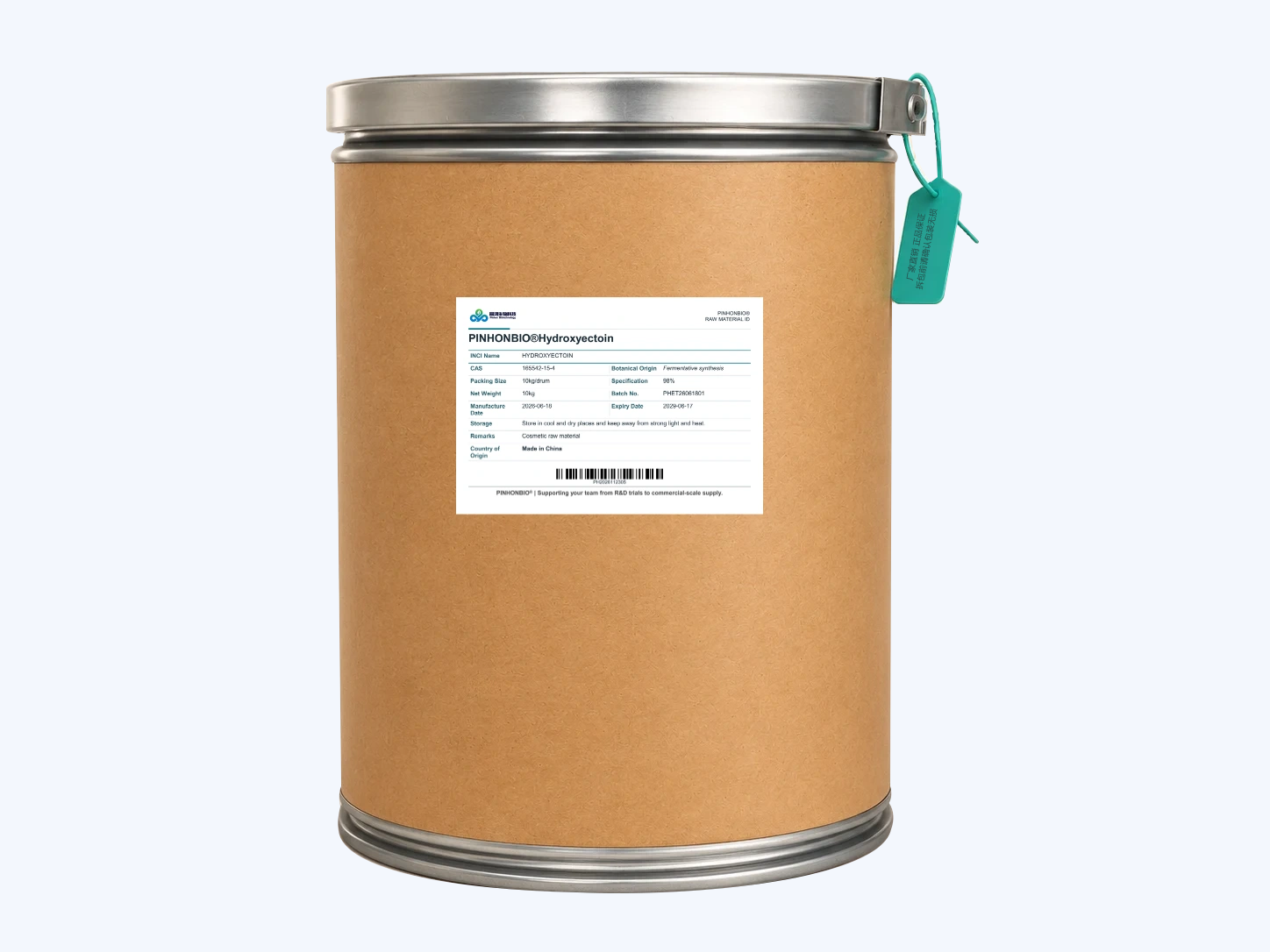
10 kg round fibre drumTamper-evident authenticity sealBatch traceability code
10 kg round fibre drum

30 cm in diameter and 40 cm high. A green security tag secures the metal locking ring.

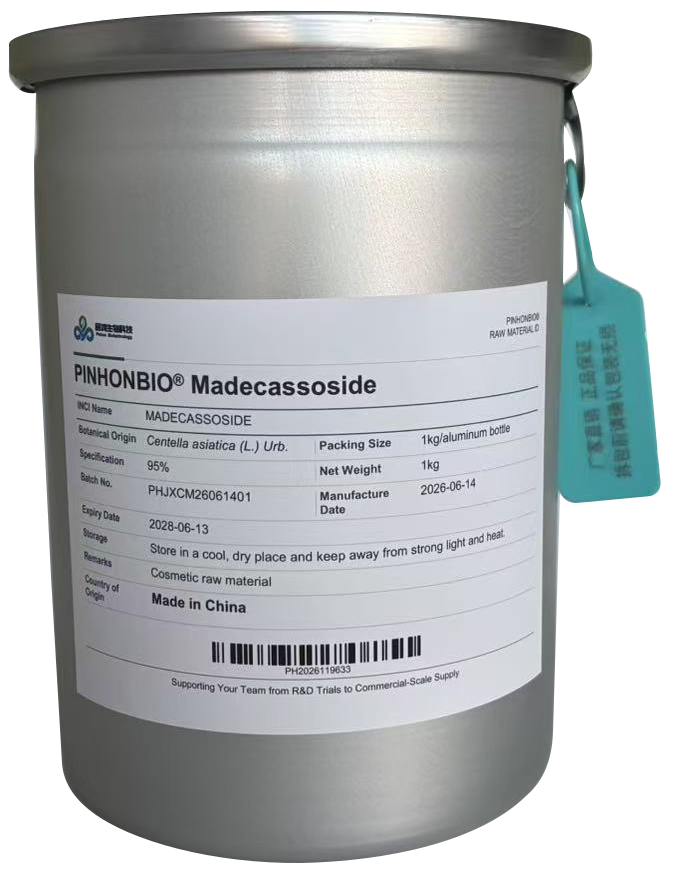
Aluminum powder drum with a turquoise seal attached to the lid. Single-use seal Product barcode
Aluminum drum for powders

The wide-mouth drum has a single-use seal at the lid.

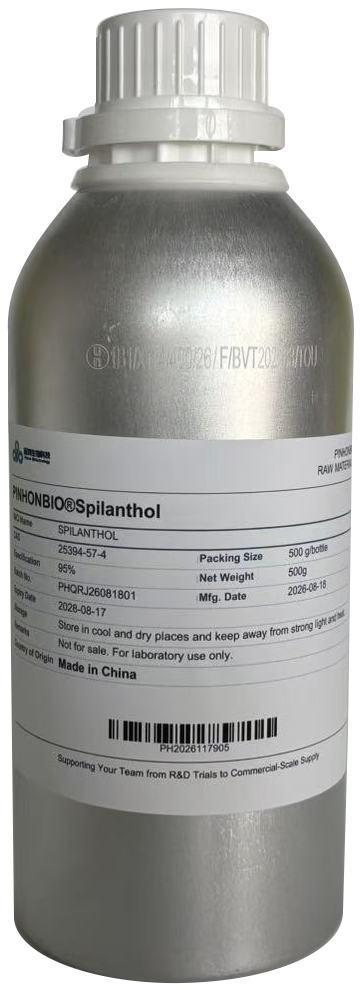
Aluminum liquid bottle with a white screw cap and a barcode on the label. Screw cap Product barcode
Aluminum bottle for liquids

The narrow-neck bottle has a screw cap and a barcoded product label.

How we pack samples

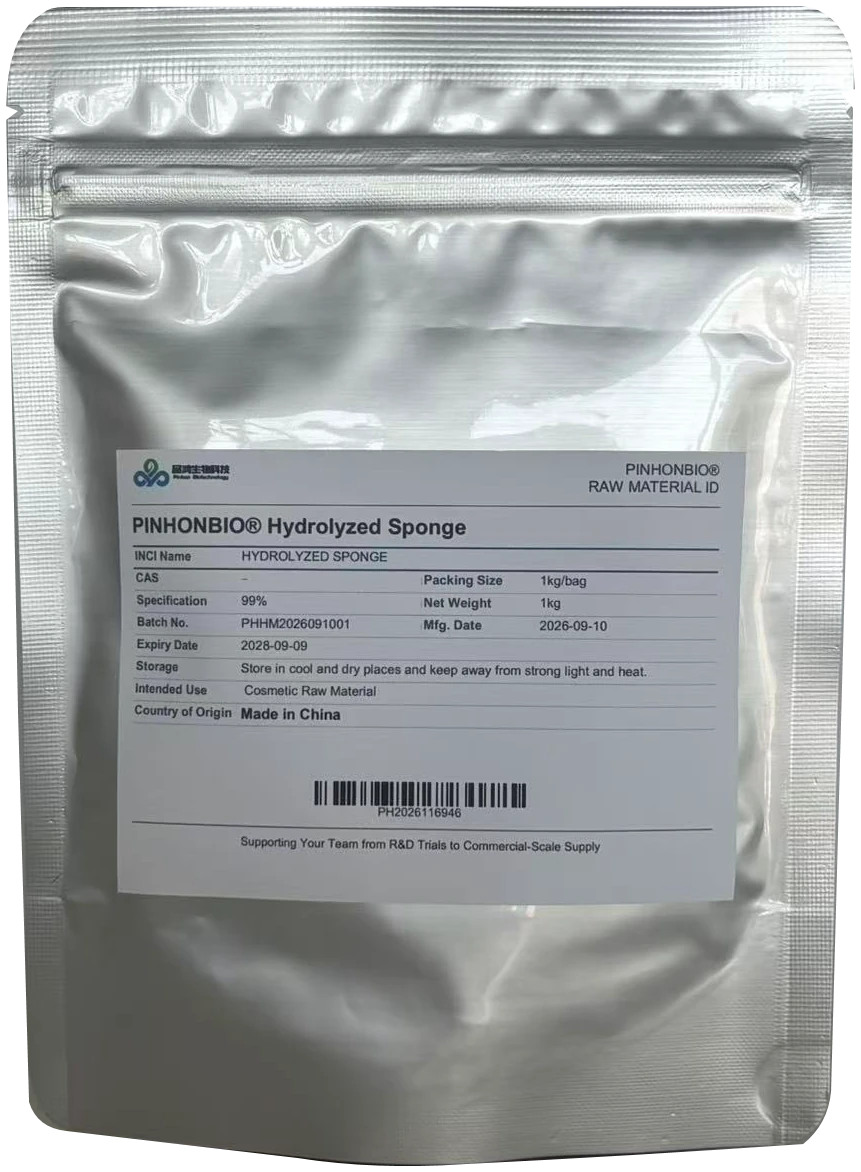
Silver sample pouch with its barcode printed at the foot of the label. Sample barcode
Sample tracking

Every PINHONBIO sample carries a barcode for tracking.

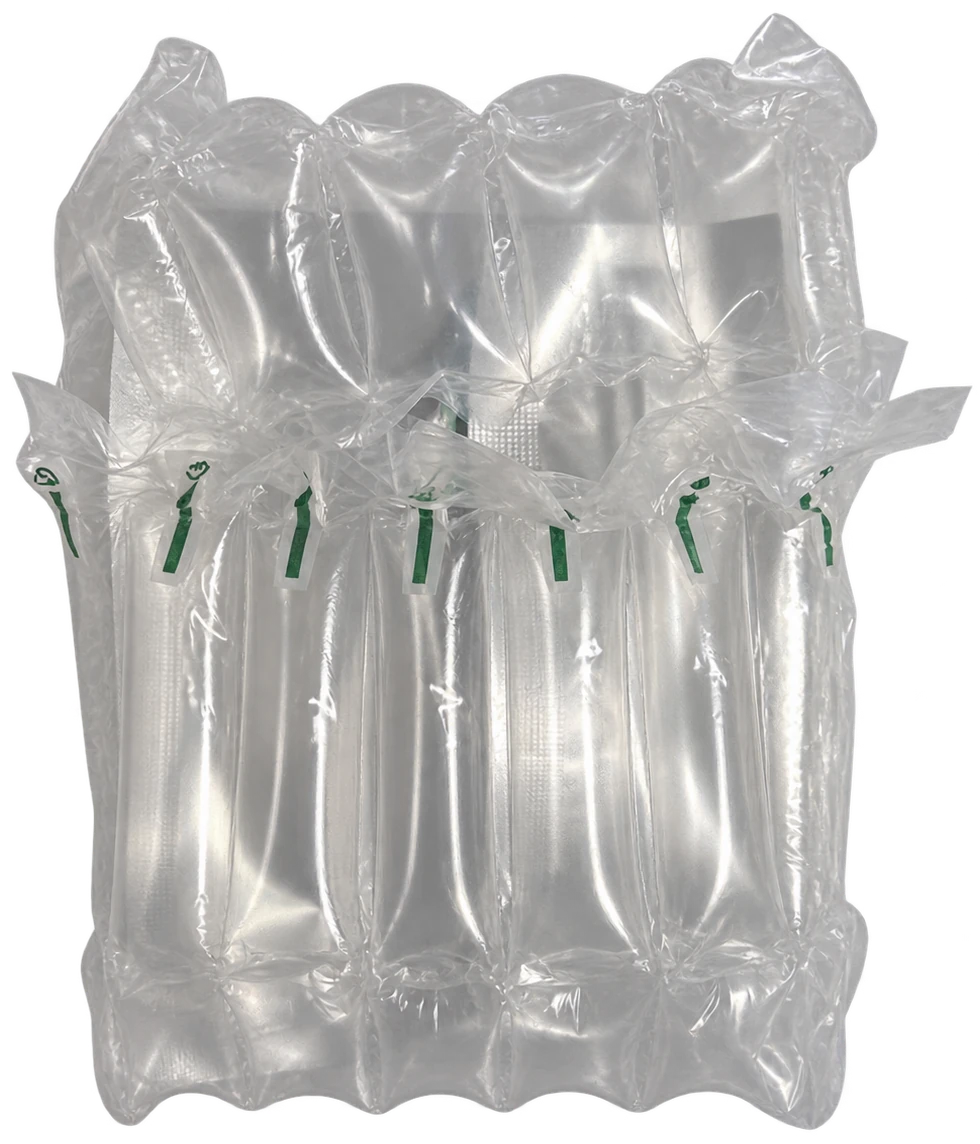
A sample pouch surrounded by inflated air columns. Air column
Air-column cushioning

Inflated air columns wrap around the sample to cushion it during shipping.

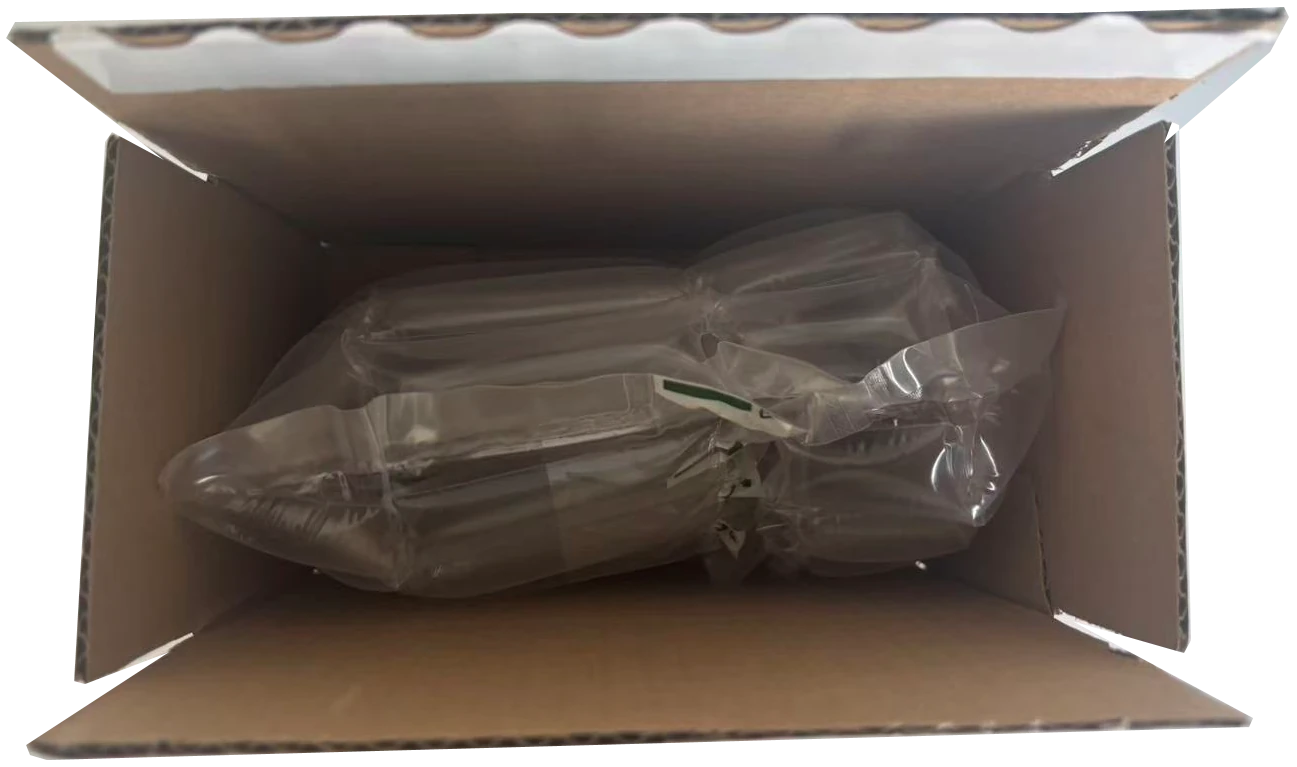
An open carton showing the sample wrapped in air-column cushioning. Cushioned sample
Inside the carton

The cushioned sample fits inside the corrugated carton.

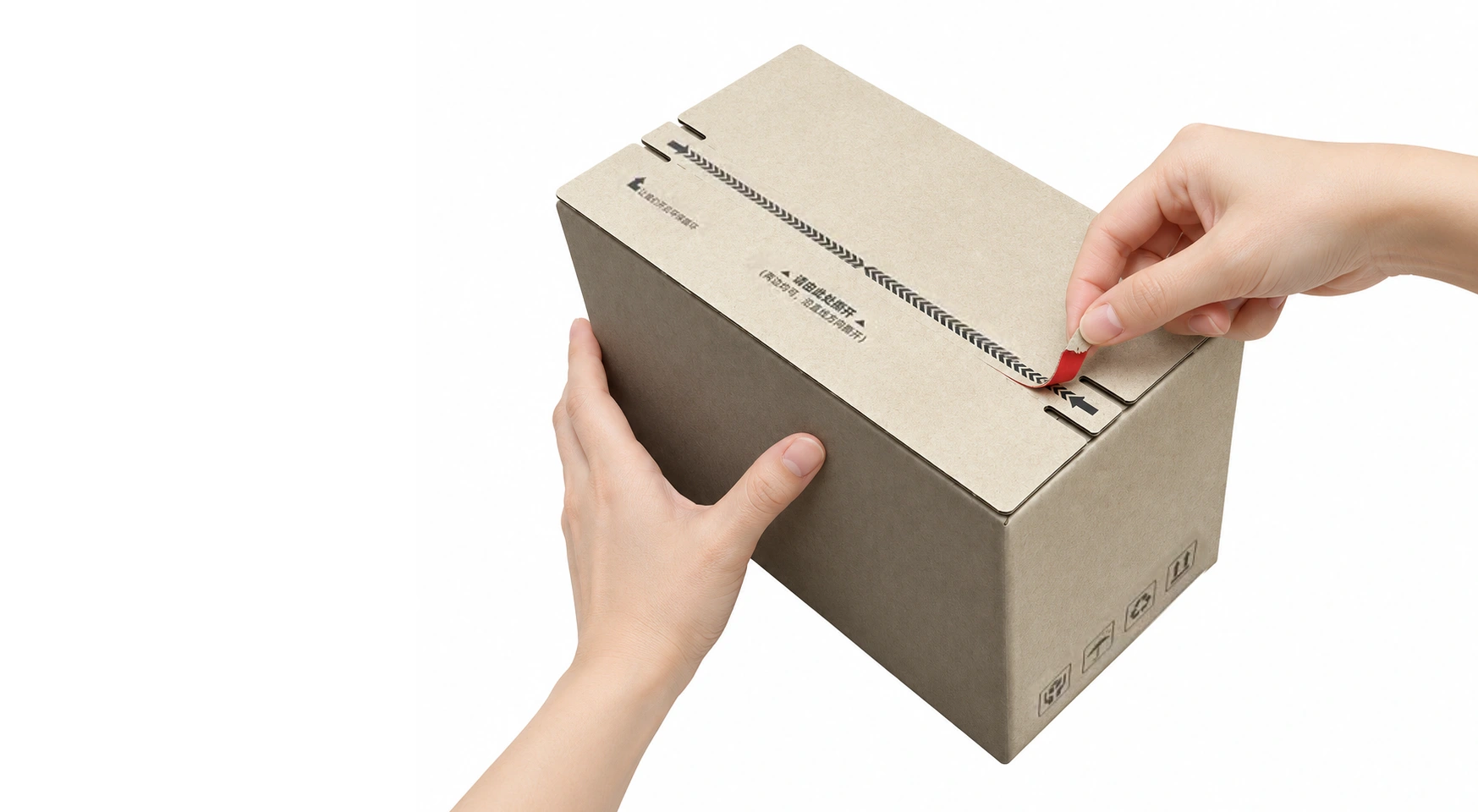
Illustration of one hand steadying the carton while the other lifts the red tear strip. Tear strip
Opening the carton

Check the shipping seal, then pull the tear strip across the lid to open the carton.

STORAGE

Storage

Store sealed in a cool, dry place and protect from light. 24 months under the stated storage conditions. Reseal carefully after opening.

BEFORE ORDERING

Project confirmation

Confirm the grade, quantity, destination market, product format, required documents, lead time and acceptance terms in writing.

INGREDIENT Q&A

Common questions about Kava Extract

These answers explain the published data and its limitations. Use current official documents and written confirmation for project decisions.

Browse all ingredient questions & answers →
What identifies this Kava product?

Match PH-NP 002 on the packaging label, specification and batch COA.

What composition information should I request for the extract?

Request the full composition of PH-NP 002, including its hydroxypropyl beta-cyclodextrin carrier and the specification for total kavalactones.

How should third-party reports be reviewed?

Match the report number, tested sample, method, date and result scope. A third-party report should not be treated as proof for a different batch or an unsupported finished-product claim.

Which documents can buyers request for Kava Extract?

Available files may include the current TDS, Specification, SDS and a COA for the corresponding Kava Extract batch. Additional regulatory or testing files depend on the selected grade and project scope.

How can I request a Kava Extract sample or quotation?

Send PINHONBIO® the product code PH-NP 002, required grade, quantity, destination market and intended formulation format. Sample availability, quotation terms and documents are then confirmed in writing.

Is water-soluble Kava Extract the same as Kavain 98%?

No. PH-NP 002 is the water-soluble botanical extract. PH-XPNS 011 is synthetic Kavain with a purity specification of ≥98.0% by HPLC.

What should I specify when ordering Kava Extract?

Specify PH-NP 002, the formulation system, quantity and destination when requesting documents or a quotation.

What to include in your Kava Extract inquiry

Choose the water-soluble or oil-soluble grade, then enter the quantity, shipping destination and intended formulation on the quote form.

Chat on WhatsApp