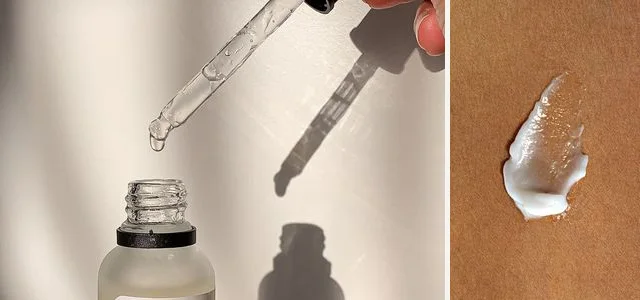
Anti-Aging Serums
Target the appearance of fine lines and texture in an oil-compatible serum.
PH-XPNS 005 · PRODUCT DATA
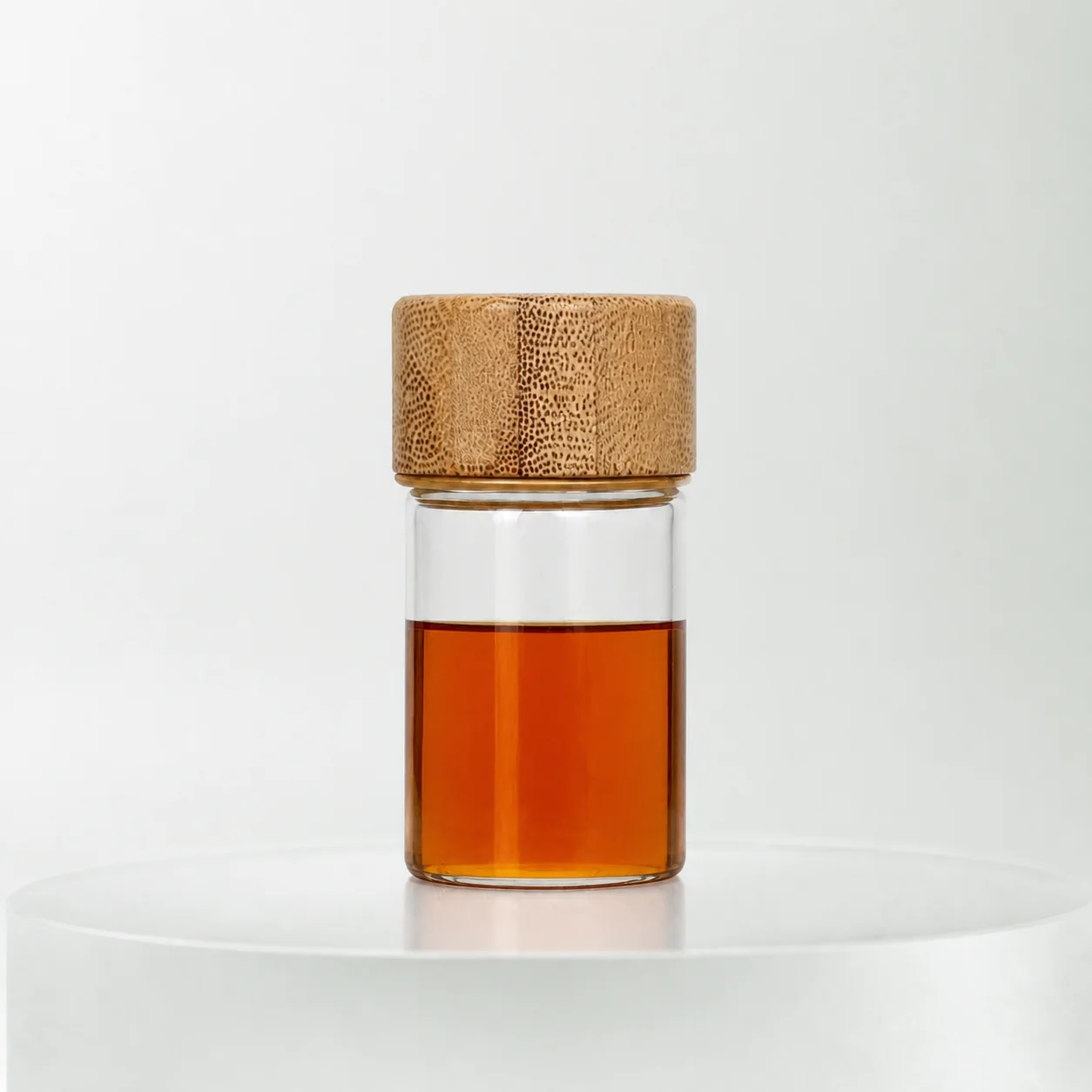
Cosmetic-grade Bakuchiol derived from Psoralea corylifolia for oil-phase formulations.
PINHONBIO® manufactures purified Bakuchiol as a light-red, oil-soluble liquid. We test purity and assay separately by HPLC and control the combined level of psoralen and isopsoralen.
View specifications Check stock and minimum order quantity Find batch documentation
What is Bakuchiol? Review uses, published research and formulation considerations →
QUICK ANSWER
Compare HPLC purity, psoralen and isopsoralen control, and the documents for the selected batch. PINHONBIO® supports purification, colour and odour improvement, for buyers evaluating a second source.
Purified Bakuchiol is a defined ingredient identified by INCI Bakuchiol and CAS 10309-37-2. Bakuchi or babchi seed oil is a broader oil composition and is not an exact synonym.
GRADE SELECTION
|
|
|
|
|
|
|
|
|
|
| |
Download the SDS for handling information, or request the COA for your lot. For EU REACH documentation or a product declaration, include the destination market and the document you need.
APPLICATION DEVELOPMENT
Published Bakuchiol research informs aging and uneven-tone care. Use these formats as starting points for formulation trials with PH-XPNS 005. See the research and formulation guide.
Target the appearance of fine lines and texture in an oil-compatible serum.
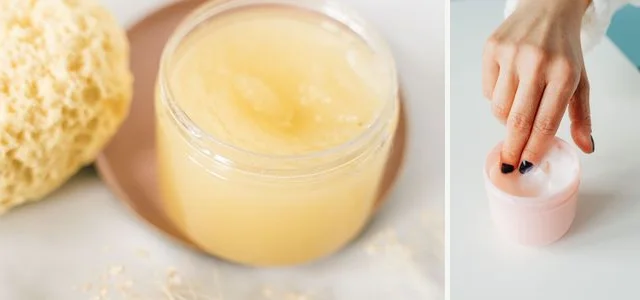
Develop an emulsion for visible signs of aging in a daily care routine.
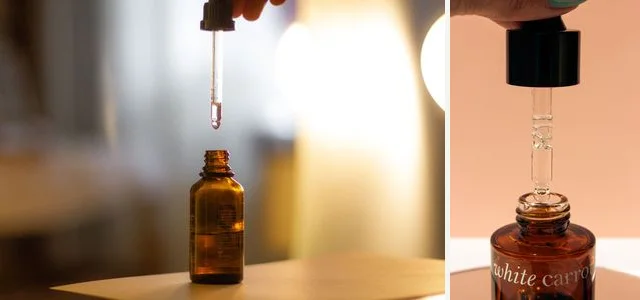
Explore an oil-based format with suitable emollients and a stable skin feel.
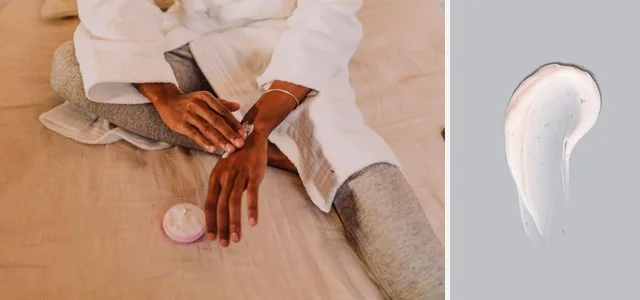
Target the appearance of uneven tone alongside routine moisturization.
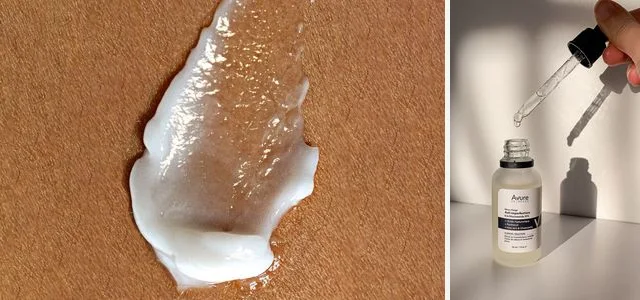
Explore a lightweight care formula for blemish-prone skin.
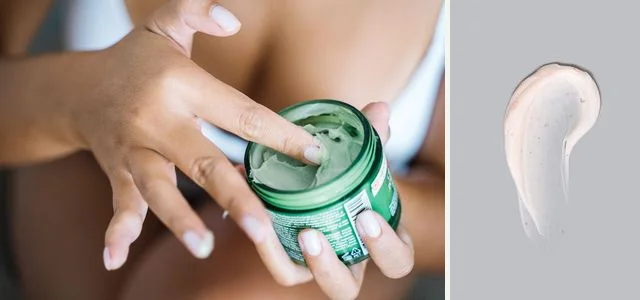
Evaluate a simple aging-care formula with particular attention to tolerability.
COMMERCIAL SUPPLY
No product charge; customer pays freight
Commercial packs: 1 kg, 5 kg, 10 kg and 25 kg
Production cycle: about 15 days
Transit: approximately 5–8 days after shipment
Regular stock: 200 kg
99% nominal grade, packed in 1 kg aluminum bottles inside fibre drums.
Bank transfer (SWIFT / T/T), letter of credit (L/C), Visa, Mastercard, Alipay and Wise. Local transfers are available in EUR, USD (ACH / Fedwire) and MYR.
Your quotation or pro forma invoice confirms the payment terms.
Express courier (DHL, FedEx, UPS or EMS), air freight, sea freight and dedicated routes to Europe.
Available routes depend on the product, destination and shipment size.
BUYER VERIFICATION
These are confirmed PINHONBIO® review fields. Numerical results for a supplied lot must be verified against the corresponding batch record.
Match the current Specification, HPLC profile and the COA corresponding to the supplied batch.
Review the applicable method and lot-specific test record before acceptance.
Residual-solvent testing is performed in-house; request the applicable batch evidence.
Request the applicable specification and batch evidence for the selected project.
REFERENCE ANALYTICAL CONTEXT
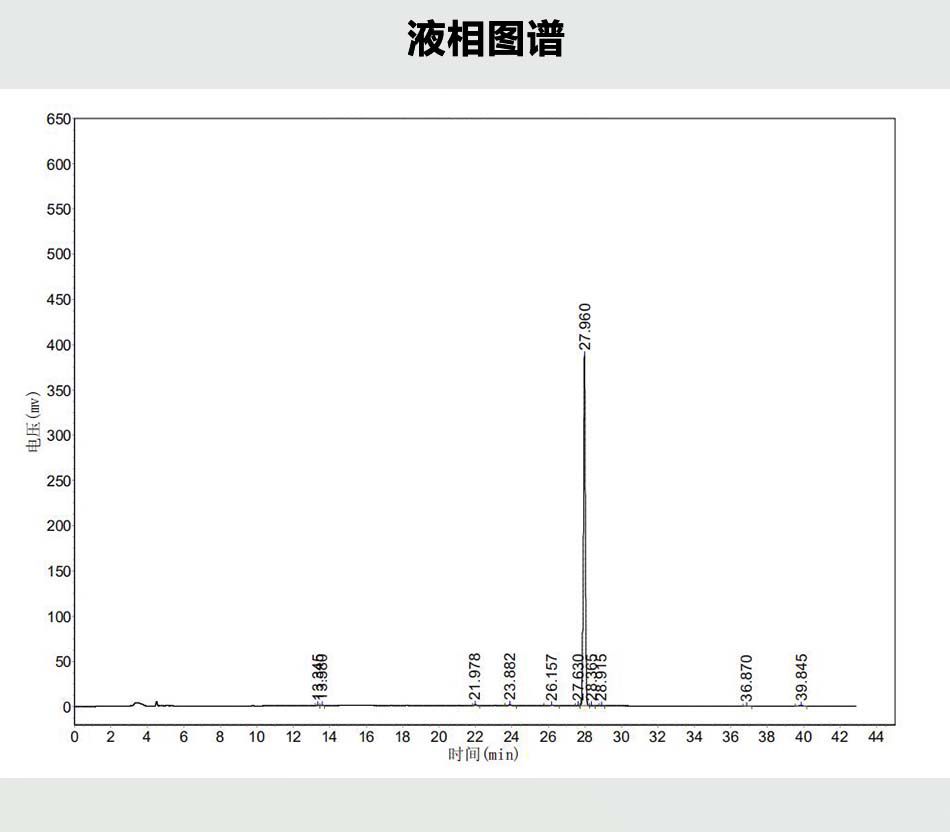
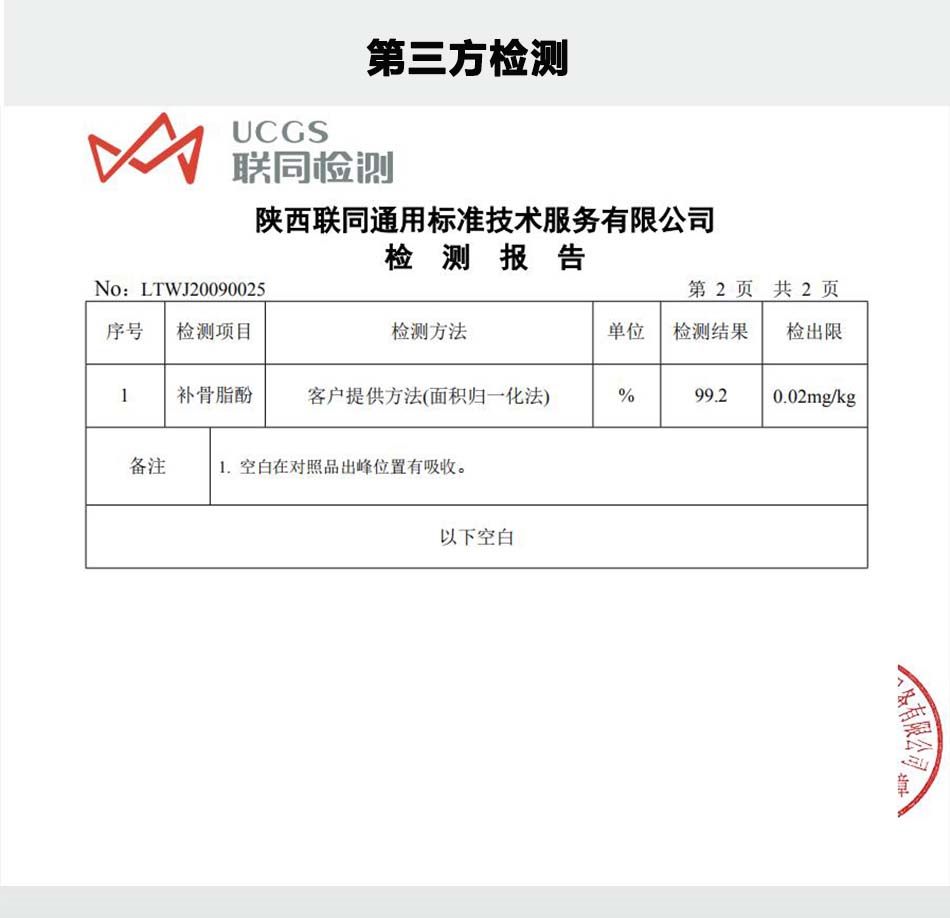
The reference chromatogram illustrates the HPLC profile. The third-party report records the result for a separately tested historical lot.
DOCUMENTATION
INGREDIENT Q&A
Find answers about samples, supply terms, batch documents and formulation guidance.
See the minimum order and standard pack sizes. Include your required quantity and delivery destination when requesting a quote.
Yes. A 5–10 g product sample can be provided without a sample charge. The customer pays the freight; the corresponding freight may be deducted after a later completed commercial order, subject to written confirmation.
For material in stock, dispatch is typically arranged within 1–3 days. International transit is typically about 5–8 days after shipment and varies by destination and customs. A new production run takes about 15 days.
The confirmed origin and manufacturing location is Xi'an, Shaanxi, China. PINHONBIO® also collaborates on research with a university-affiliated laboratory in Changsha.
The grade specification sets a combined limit for the two compounds. Ask for the test method and result for the lot you plan to purchase.
PINHONBIO® can review product and project documentation for China, the United States, the European Union, Japan and Korea. Include the intended market and the documents your importer requires.
Bakuchiol is a defined oil-soluble cosmetic ingredient identified by INCI Bakuchiol and CAS 10309-37-2. It is associated with Psoralea corylifolia but is not the same commercial material as bakuchi or babchi seed oil.
Published topical studies have evaluated Bakuchiol-containing formulas for photoageing-related concerns such as the appearance of wrinkles and uneven pigmentation.
No. Bakuchiol and retinol are distinct chemical ingredients. The published comparison evaluated creams made with each ingredient.
No. The study used a 0.5% Bakuchiol cream. For PH-XPNS 005, the TDS recommends 0.5%–1.0% of the finished formulation. Select the final concentration through compatibility, stability and safety testing.
Match PH-XPNS 005, INCI Bakuchiol and CAS 10309-37-2. Compare the purity and assay limits in the specification with the HPLC results on the COA for the offered lot.
No. Purified Bakuchiol is a defined ingredient identified by INCI Bakuchiol and CAS 10309-37-2. A seed oil is a broader composition and should be evaluated against its own identity, composition and specification.
Yes. Bakuchiol is oil-soluble and insoluble in water. Add it directly to a compatible oil phase; a water-based product needs a suitable solubilization or emulsion system.
The TDS recommends 0.5%–1.0%, added directly to the oil phase. Avoid prolonged heating above 75°C and use an acidic formulation, preferably below pH 6.5. Avoid sodium hydroxide, potassium hydroxide and aluminum hydroxide. Check colour, compatibility, packaging and storage stability in the complete formula.
Compare exact identity, HPLC specification and reporting basis, corresponding batch documents, relevant impurity controls, sample support, packaging and the supplier's ability to answer formulation and destination-market questions.
We offer PH-XPNS 005 to buyers seeking a cost-effective alternative to Sytenol® A. Our aim is comparable raw-material quality at a competitive price. We have specialized in bakuchiol for 7–8 years. We test purity and assay separately by HPLC and set limits for residual ethanol and for the combined level of psoralen and isopsoralen. See our product specification for the acceptance limits.
| Material | INCI name | Purchasing specification |
|---|---|---|
| PINHONBIO® PH-XPNS 005 | Bakuchiol | HPLC purity ≥99% and assay ≥98%. |
| Sytenol® A | Bakuchiol | Sytheon lists a minimum purity of 99%. |
| Refined babchi seed oil (O&3) | Psoralea Corylifolia Seed Oil | The supplier’s public product listing does not specify a bakuchiol content. |
The available English TDS and SDS can be downloaded from the Documents section. Match the stated grade to your requirement. Request the corresponding batch COA and any additional project documents separately. Download the Bakuchiol 99% Grade TDS & SDS →
QUALITY & REGULATORY SUPPORT
Review the product code, grade, test method, current Specification and corresponding batch COA together.
Request applicable microbiology, heavy metals, residual solvents, pesticides or other risk-based controls for the selected ingredient.
IECIC, REACH, TSCA and other inventory or notification questions are confirmed for the specific material and destination market upon request.
Vegan, GMO, allergen, animal-testing and related declarations are supplied only when supported by the applicable product file.
Review PINHONBIO® analytical capabilities, testing scope and third-party verification approach →
FORMULATION REFERENCE
The PINHONBIO TDS recommends 0.5%–1.0% of the finished formulation. Add directly to the oil phase. Avoid prolonged heating above 75°C. An acidic finished formulation, preferably below pH 6.5, is recommended. Metal ions may cause colour changes. See the Bakuchiol TDS for processing and compatibility guidance.
The published human comparison study used a 0.5% Bakuchiol cream.
FORMULATION EDUCATION
Validate the selected oil phase or solubilization route in the complete formula. Evaluate Bakuchiol in an Oil-Phase Formulation →
PUBLISHED RESEARCH
The trial enrolled 44 participants and compared two topical creams.
Participants in this group applied the cream twice daily.
Participants in this group applied the cream once daily.
SUPPORTING CONTENT
The following guides cover the identity of Bakuchiol, its comparison with retinol and the steps for evaluating it in a formula.
What is Bakuchiol? Research and formulation guide·Bakuchiol supplier qualification guide
PINHONBIO
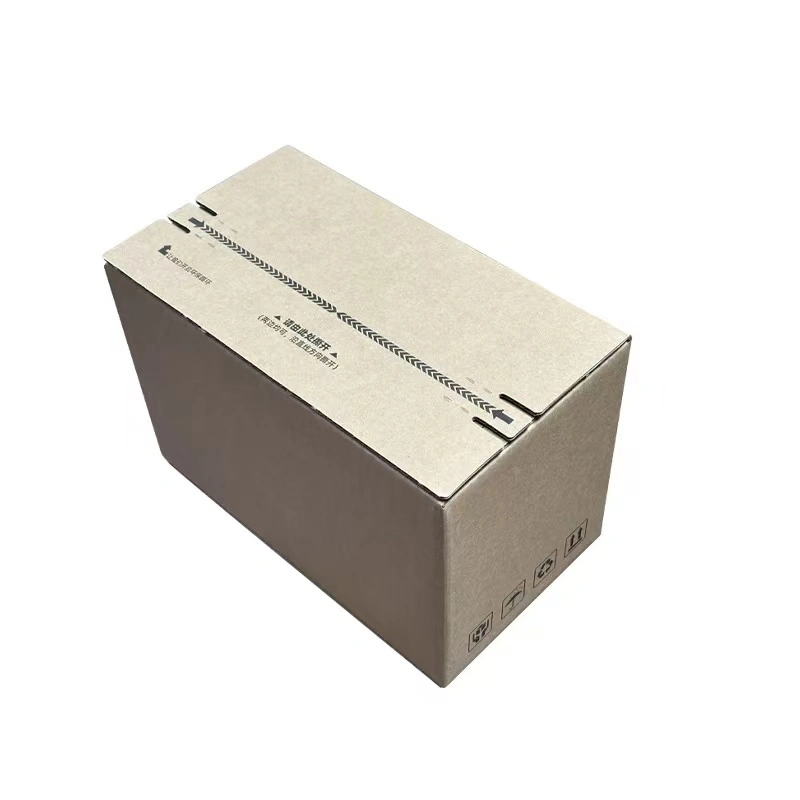
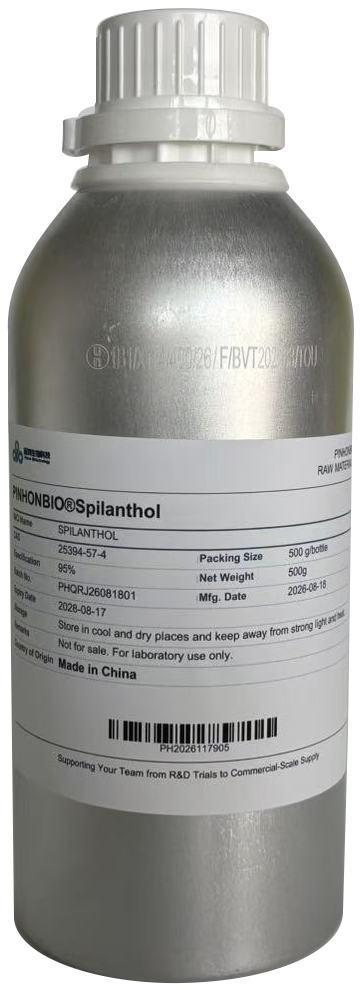
Bakuchiol ships in 1 kg aluminum bottles protected by outer fibre drums. We also offer 5 kg, 10 kg and 25 kg packs.
Check the seal before opening your carton. It should be intact, with no “VOID” text visible.
 Screw cap
Product barcode
Each bottle holds 1 kg of Bakuchiol and carries a product barcode.
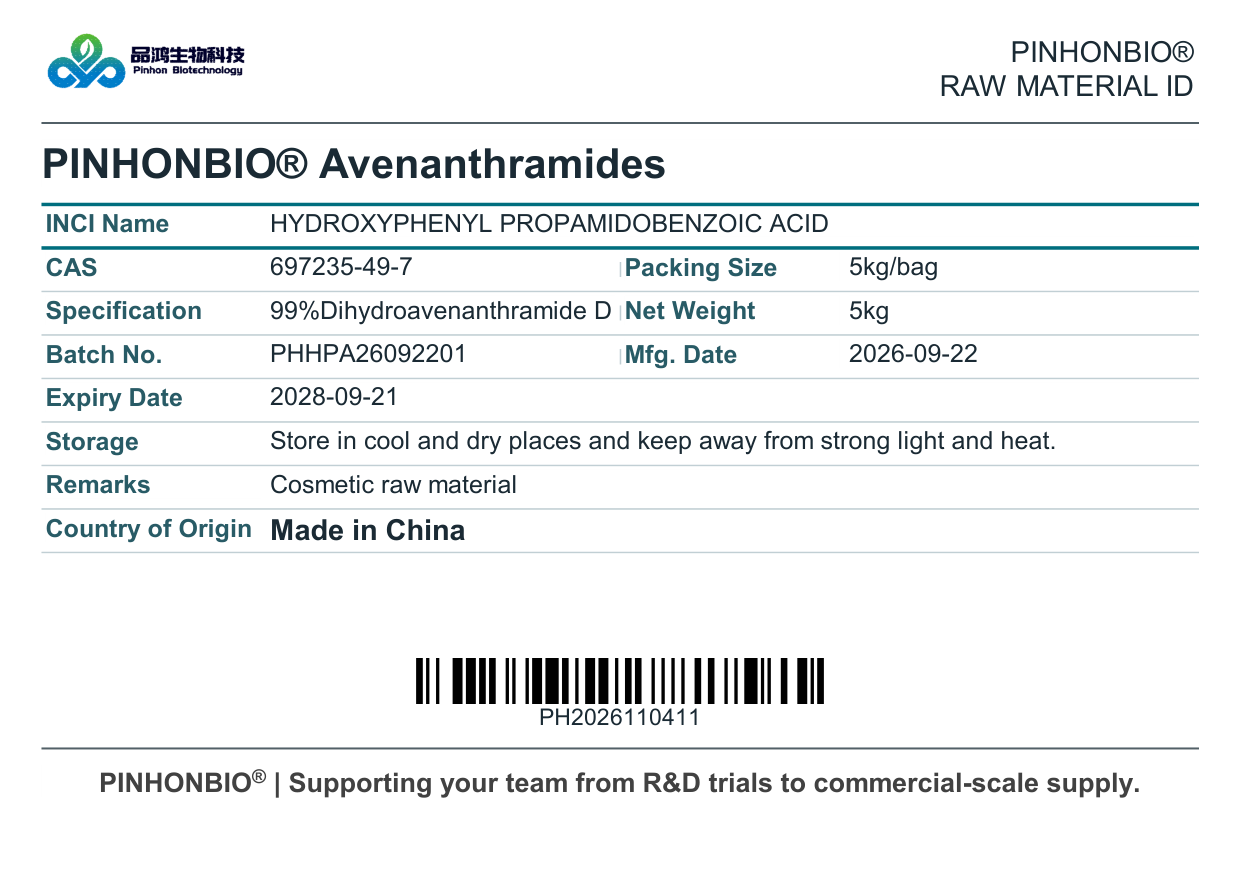
30 × 36 × 36 cm. The illustration shows a 10.5 × 7.5 cm product label and a 3 × 10 cm tamper-evident seal across the lid seam.
 Tamper-evident authenticity sealBatch traceability code
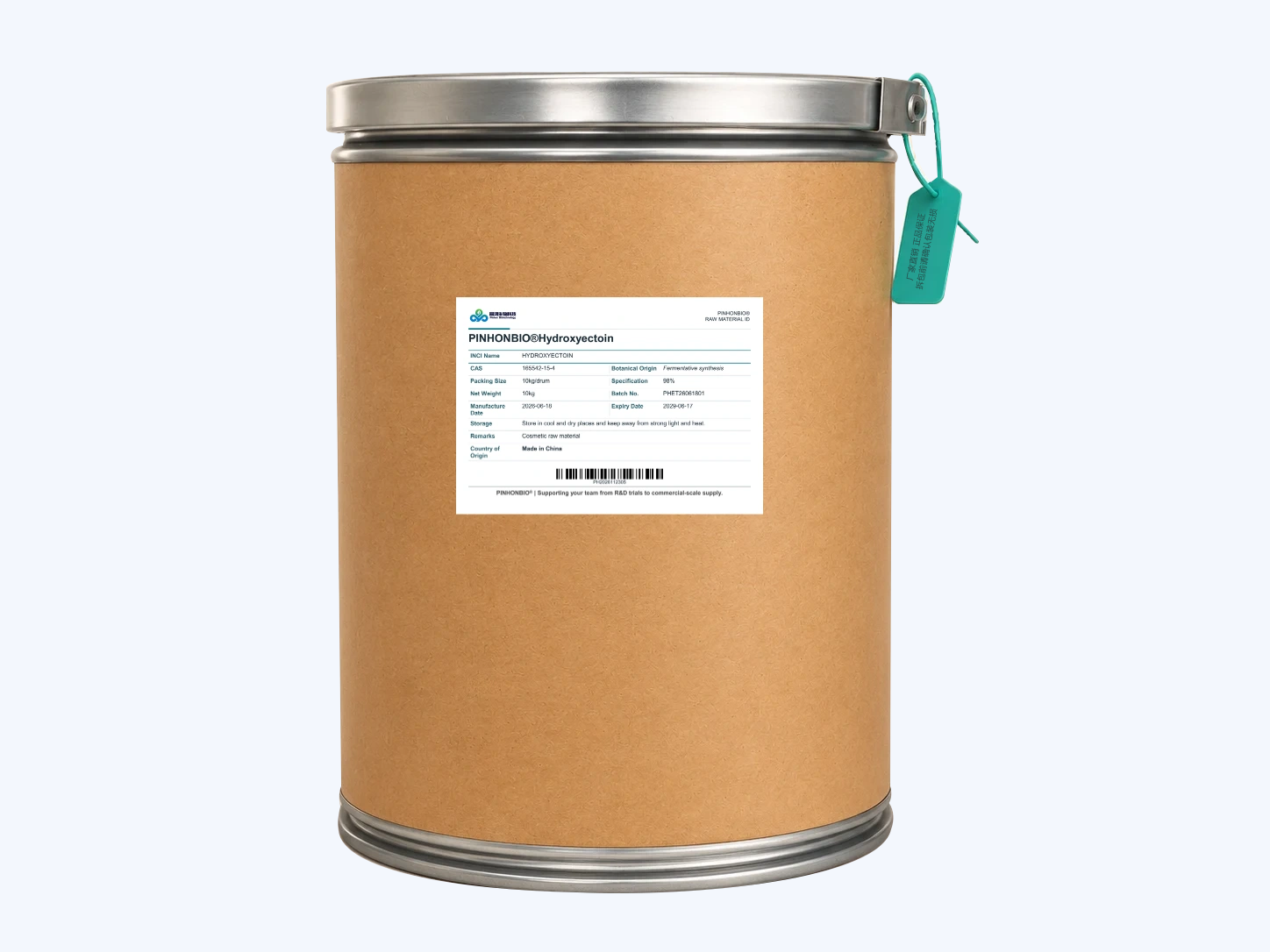
The 10 kg Bakuchiol pack uses a round fibre drum. Check the security tag on the locking ring and the batch code on the label.
 Tamper-evident authenticity sealBatch traceability code
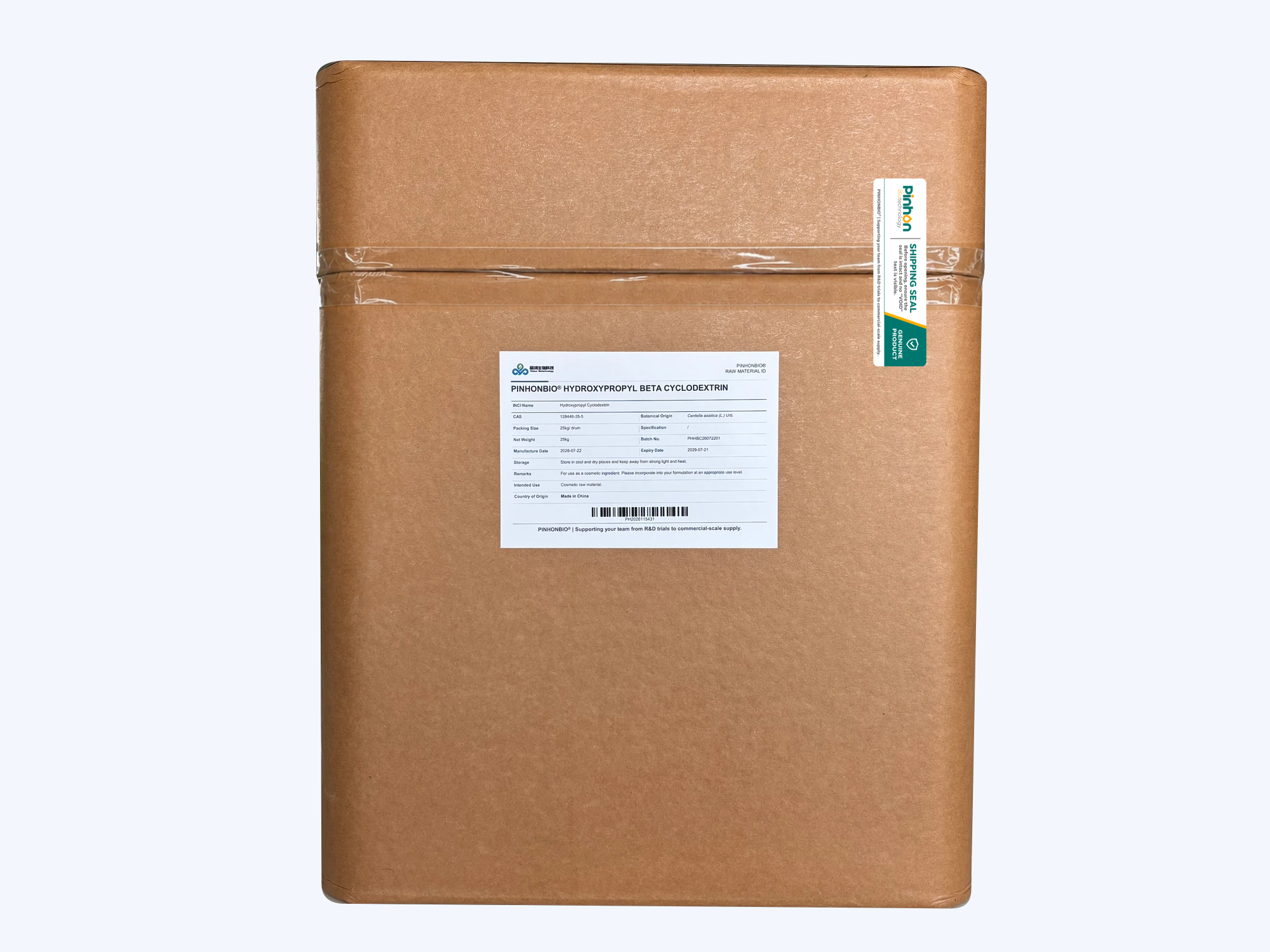
38 × 38 × 45 cm. A 3 × 10 cm tamper-evident seal bridges the taped lid seam.
Tell us how much Bakuchiol you need for evaluation. We confirm the sample quantity for each request.
 Tamper-evident ring
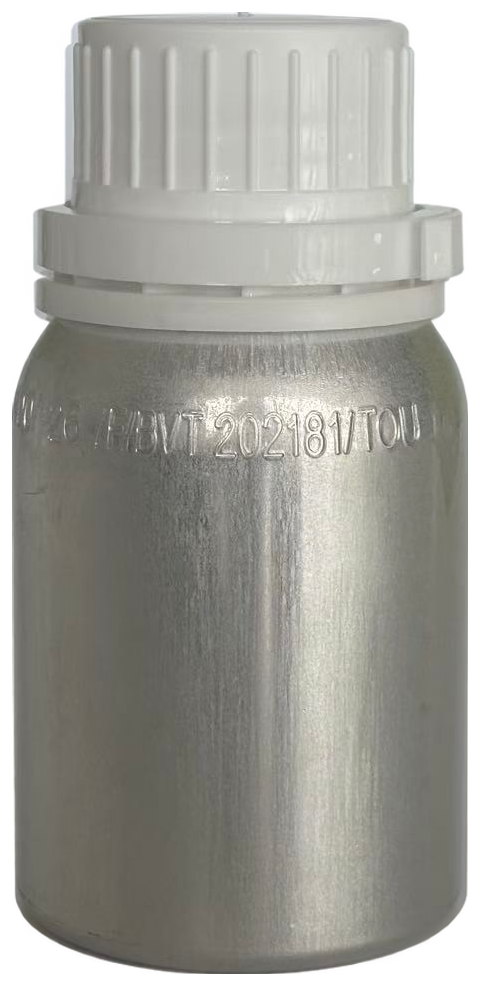
Bottle capacity: 50 mL. Check that the tamper-evident ring below the screw cap is intact before opening.
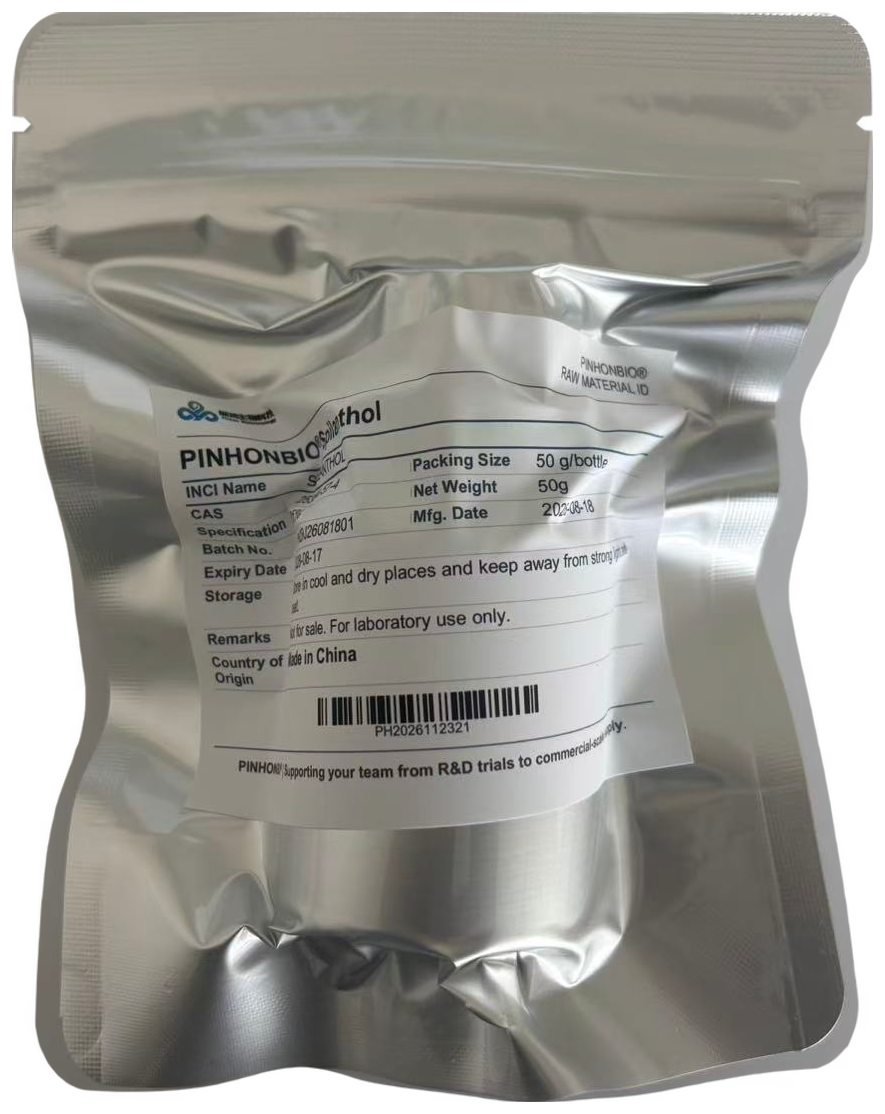 Traceability code
The bottle is vacuum-sealed inside an aluminum foil pouch. Keep the traceability code on the pouch label for sample enquiries.
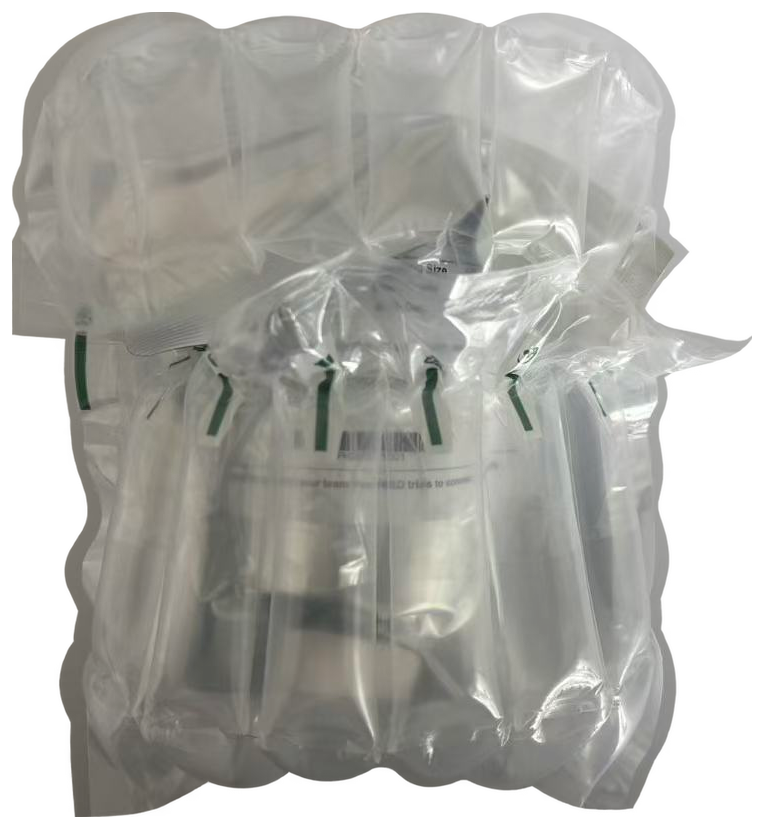 Air column
Inflated columns surround the sealed pouch to cushion the bottle against knocks and drops.
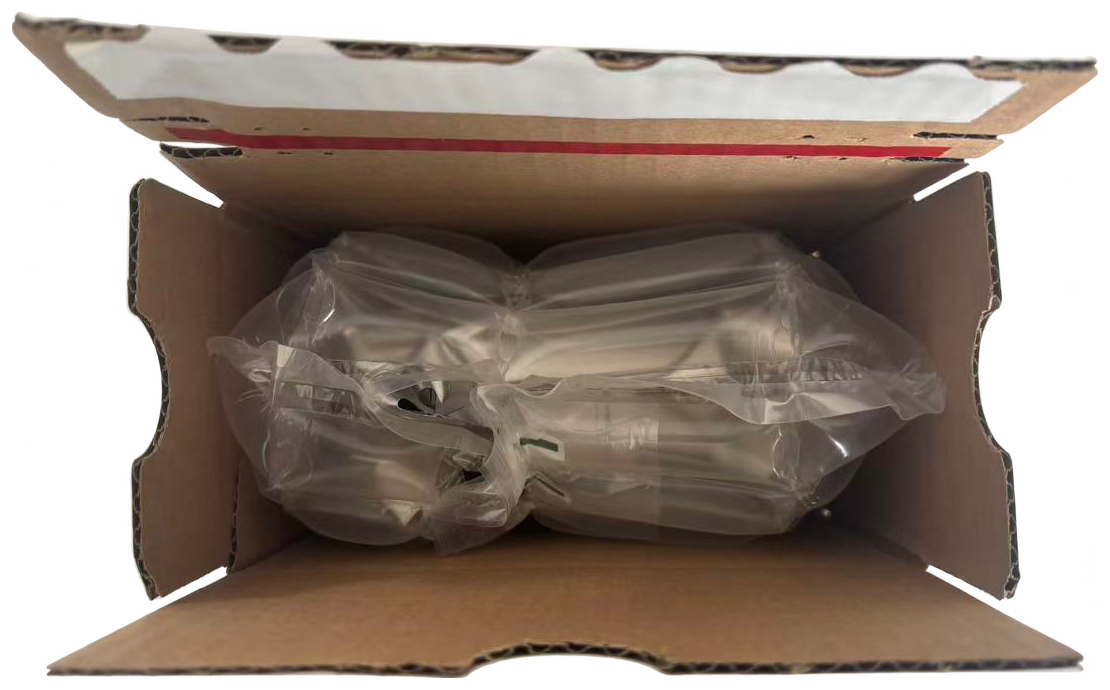 Shipping carton
The cushioned bottle sits inside the carton for transport.
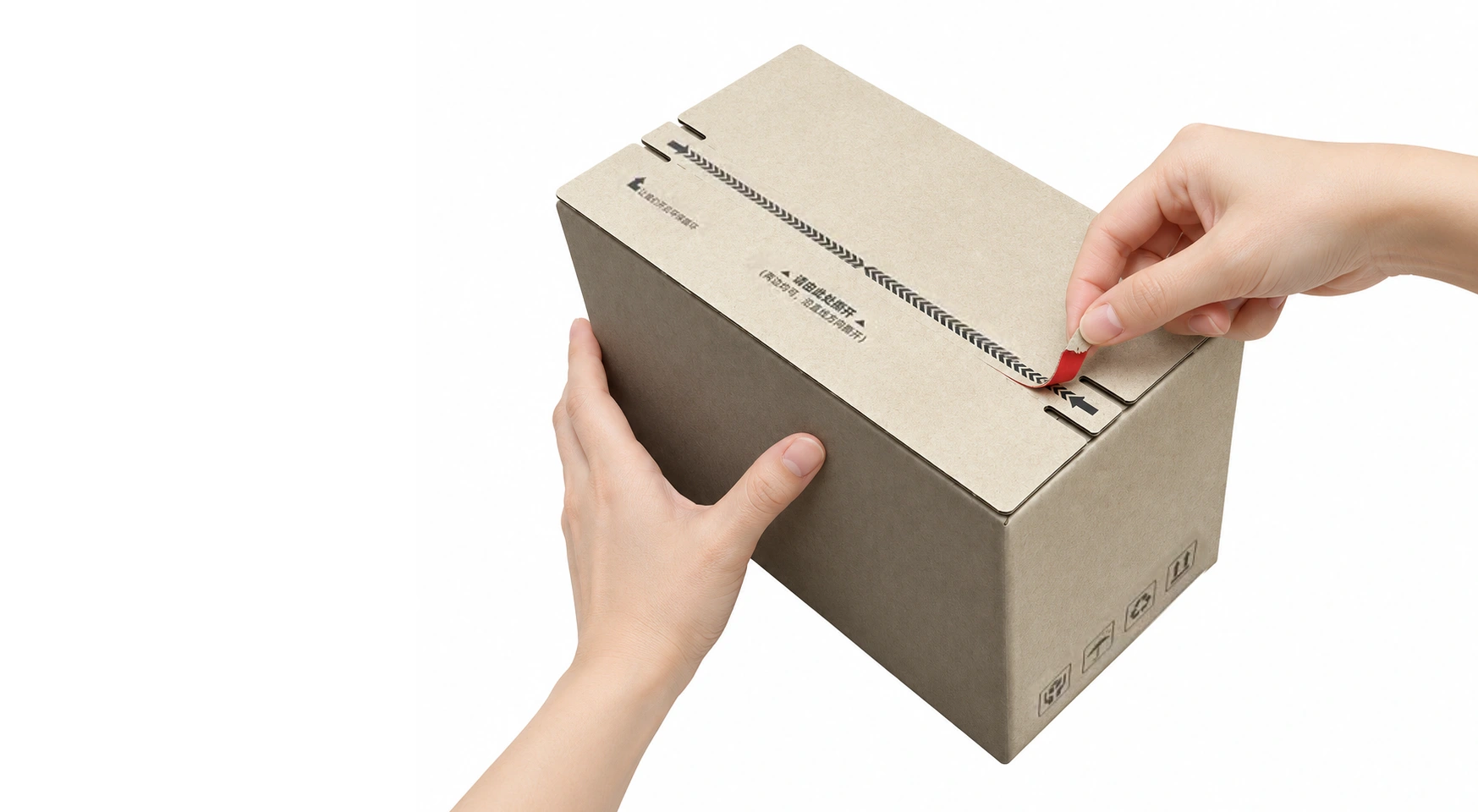 Tear strip
Check the shipping seal, then pull the tear strip across the lid to open the carton.
PROJECT REQUEST
Tell us your bulk quantity and destination for a quote, or request a free 5–10 g evaluation sample. Sample freight is charged separately.
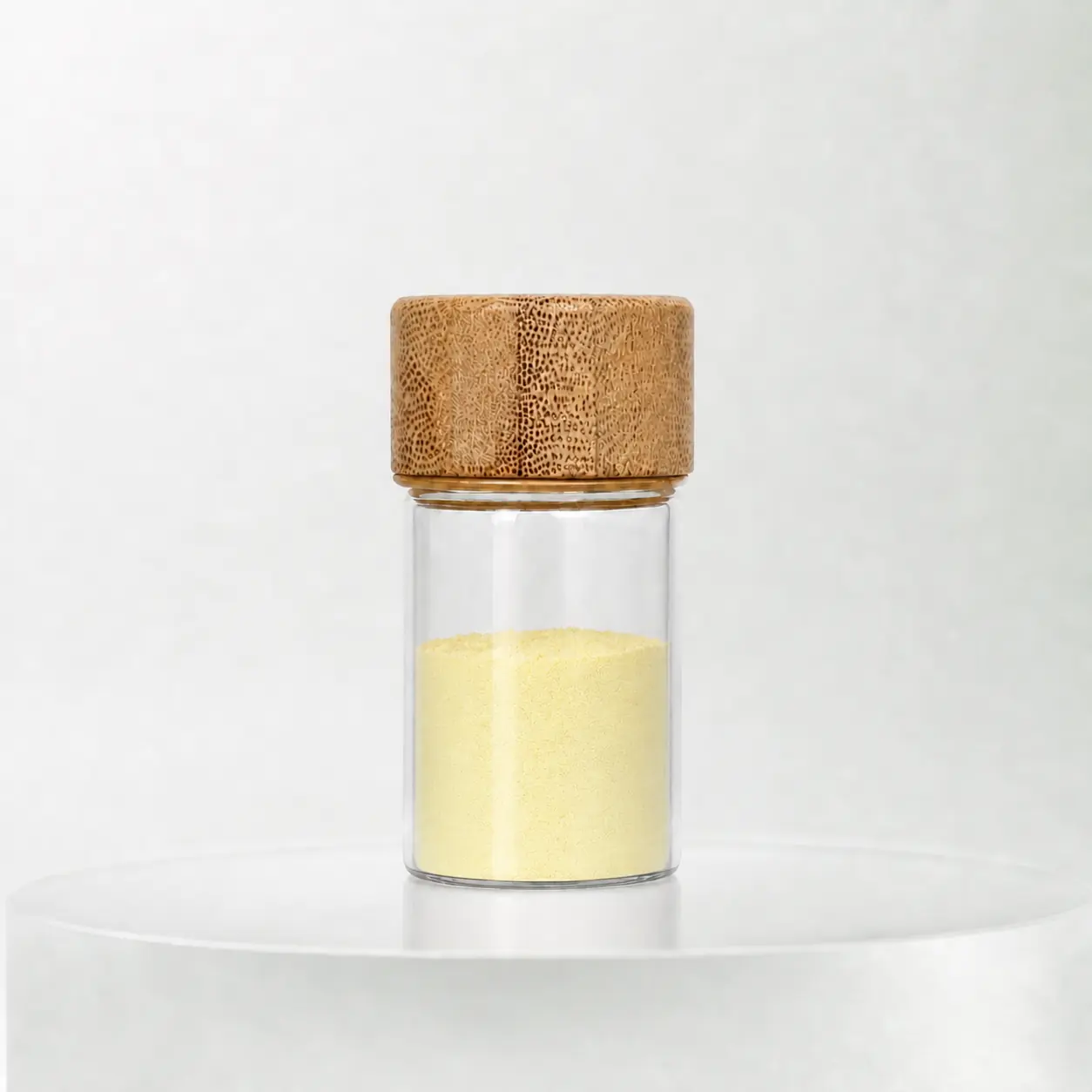
PH-XPNS 006
PH-XPNS 001
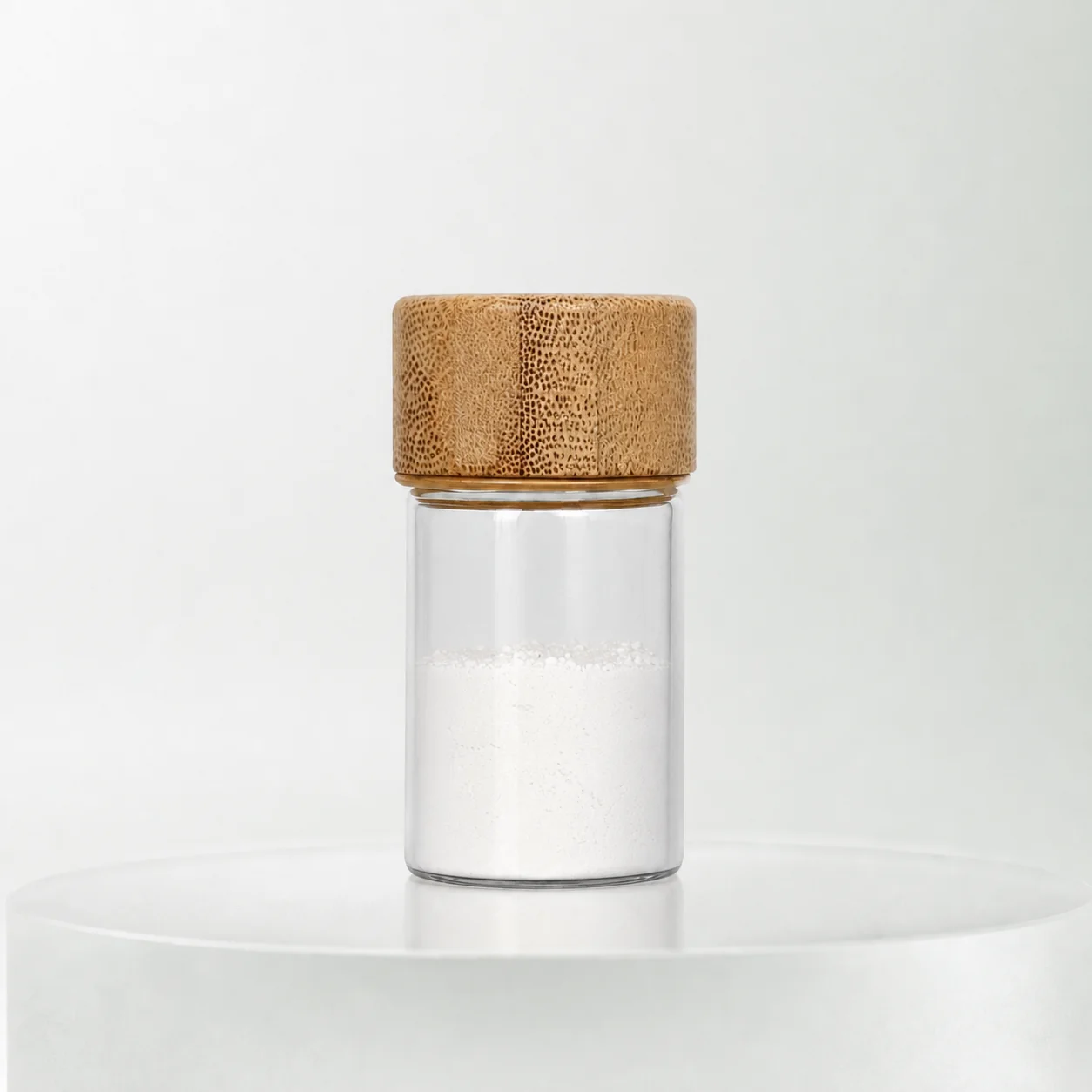
PH-XPNS 002
PH-XPNS 003